Fine motor development is the progressive refinement of small muscle control and hand-eye coordination that supports tasks from self-care to emergent writing. In this practical guide for early childhood educators, you will find a classroom-ready rubber band activity plus guidance on adaptations, assessment strategies, and links to professional trainings such as How Preschoolers Develop  Buy Now $32.00 and Grow with Me: Child Development for Mixed Ages Buy Now $16.00. Use these activities to support #fineMotor and #handEye growth in the classroom.
What are fine motor skills and why are they important?
Fine motor skills involve coordinated movements of the hands, fingers, and eyes. They include grasp patterns (palmar, radial, pincer), in-hand manipulation, bilateral coordination, and precision release. These behaviors underpin feeding, dressing, drawing, scissor use, and keyboarding. For educators, targeting fine motor skills also supports cognitive skills (planning, sequencing), social competence (independence), and self-regulation.
How do I set up the rubber band fine motor activity safely and effectively?
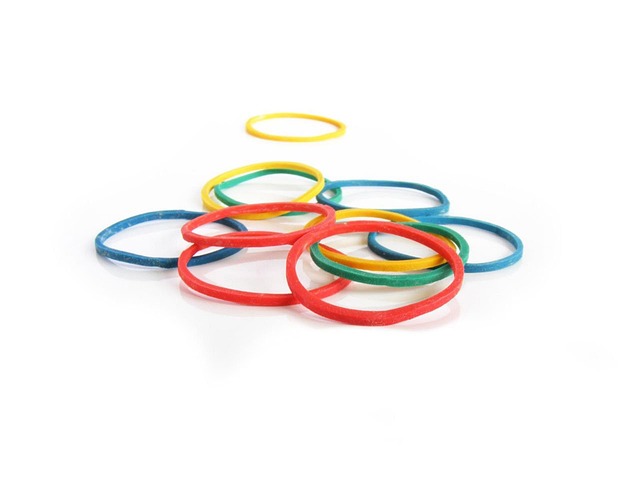 Supplies (classroom-ready):
- Plastic bin (sturdy, shallow)
- Assorted small rubber bands (check for latex allergies)
- Chopsticks, pencils, or child-safe tongs
- Water (optional for sensory variation)
- Small cups or containers for sorting
Preparation and safety notes: 1) Verify no child has latex sensitivity; replace rubber bands with soft foam rings if needed. 2) Maintain supervised stations—this activity contains small parts and requires one-to-one monitoring for young children. 3) Position materials at waist height and provide chairs for stability. 4) Model the grasp and transfer slowly, then give children uninterrupted time to practice.
Which instructional progressions and adaptations strengthen fine motor control?
Differentiate the task to scaffold skill acquisition:
- Toddlers: Use larger, non-choking-safe rings and encourage hand-over-hand assistance; place objects on a dry towel instead of water to reduce slipping.
- Preschoolers: Provide chopsticks and smaller bands; add a sorting rule (by color or size) to combine fine motor practice with cognitive demands.
- Children with motor delays: Offer adaptive tools (spring-assisted tongs), stabilize the wrist with a rolled towel, and reduce visual clutter to lower task demands.
Progressions that increase challenge include: smaller bands, timed rounds to encourage speed and endurance, using the non-dominant hand, and combining with bilateral tasks (transfer from one cup to another).
How can educators assess and document fine motor progress in the classroom?
Use targeted observation and brief checklists. Look for:
- Grip type and consistency when using tools
- Accuracy of placement and release
- Ability to use dominant and non-dominant hands
- Endurance across repeated trials
Document with short notes, photos (with permissions), or a one-minute performance video to track change over weeks. Share observations during family conferences and link them to classroom learning goals.
What classroom-friendly data collection methods can I use?
Use brief timed samples (30–60 seconds) to count successful transfers, a short structured checklist for grip, release, and accuracy, and rotating trials to check generalization across materials. Collect 1–3 baseline trials, repeat weekly, and chart transfers-per-minute to make group and individual instructional decisions. Share numeric snapshots with families and consult an occupational therapist when atypical patterns persist.
How can I integrate fine motor practice across the daily routine?
Embedding short, purposeful fine motor experiences into routines increases practice frequency and supports generalization. Start by identifying daily transition points and common tasks where a quick fine motor challenge fits naturally—arrival, snack setup, art clean-up, and line-up are useful opportunities. For example, offer a two-minute sorting tray during arrival (sort tokens by color into cups), so children practice pincer control while settling in. During snack time, invite children to open individually wrapped items, unwrap straws, or transfer small pieces with tongs; these real-life tasks build functional strength and coordination.
Rotate a small set of materials weekly (clips, clothespins, tweezers, beads, or safe scissors) and pair each material with a learning objective and brief assessment note. Use micro-lessons (2–5 minutes) led by the teacher to model an advanced grip or bilateral transfer, then return materials to free-choice centers for repeated practice. Document skill targets on the class observation sheet and set a one-minute timed task monthly to monitor speed and endurance. When possible, connect activities to classroom learning goals—counting while sorting, color words during naming, or sequencing steps to strengthen executive functions alongside dexterity. These routines require low prep and yield frequent, scaffolded practice embedded in authentic tasks.
Fine motor exercises also build executive functions (attention, cognitive flexibility), language (naming colors and actions), and social skills (turn-taking and cooperative problem solving). Integrate a short reflective conversation after the activity—asking children to describe steps or sequence—to reinforce vocabulary and metacognition and link practice to classroom learning goals.
Outdoor learning offers abundant, durable, and multisensory fine motor opportunities. Natural materials—small stones, seeds, pinecones, and twigs—invite picking, sorting, and threading that refine digits. Provide scoops and funnels at a sensory sand table, or offer clothespins and clips for children to fasten lightweight fabric to a low clothesline, which strengthens thumb opposition and bilateral coordination. Use gardening tasks (planting seeds, pinching soil, handling small tools with adult supervision) to practice graded pressure and coordination in a purposeful routine. Design simple outdoor stations—water-and-scoop transfer, nature collage with tweezers, or a sidewalk-chalk area for wrist mobility—that pair with gross-motor play to support self-regulation and transitions.
Track progress numerically (for example, number of successful transfers per minute across repeated sessions) to quantify gains and guide the next instructional steps.
Where can I find additional classroom strategies and trainings?
Combine this activity with other classroom practices to reinforce skill transfer. Related ChildCareEd articles and resources you can consult include: Increasing Fine Motor Skills in the Early Childhood Education Classroom, How motor skills shape child development, How can childcare providers support fine motor development with simple activities?, Control of Movement: Enhancing Motor Coordination and Concentration, Everyday Montessori, and Exploring the Cognitive Benefits of Movement in Early Childhood Classrooms.
For further professional development, ChildCareEd offers courses that align with classroom practice and observation strategies: How Preschoolers Develop Buy Now $32.00, Grow with Me: Child Development for Mixed Ages Buy Now $16.00, and Chefs in the Classroom: Cooking as a Teaching Tool Buy Now $24.00. Confirm course acceptance with your state registry or employer when needed.
Summary: What should educators take away?
- Embed short, scaffolded fine motor stations (like the rubber band activity) into daily routines to build strength and precision.
- Differentiate materials and supports for age and ability; document progress with brief observations.
- Link fine motor practice to language and cognitive tasks; pursue targeted professional development as needed.
Use these classroom strategies and the linked ChildCareEd articles to design sequenced activities that are safe, measurable, and inclusive. #earlyChildhood #development #dexterity
- CDA Home Visitor Subject Area 3 Part 3 Birth to 5
- CDA Home Visitor Subject Area 2 Part 3 Birth to 5
- 45 Hour Preschool Methods and Materials
- 45 Hour School Age Methods and Materials
- 24 Hour Texas Pre-Service
- Emergent Learning & Development
- Creating Environments that Nurture Growth and Community
- Texas Director Credential
- Estudio de caso de TDAH
- Helping children develop Fine Motor Skills
- Fine Motor Skills in Kids: From Finger Painting to Chopstick Mastery
- Exploring the Cognitive Benefits of Movement in Early Childhood Classrooms
- Crayons, Chopsticks, and Cheerios: Surprising Ways to Boost Fine Motor Skills in Kids
- How to boost fine motor skills: Holiday Edition
- Counting Candy Canes: The STEM of Holiday Fun for Early Learners
- How to Incorporate Fine Motor Skills Practice Into Daily Activities
- Increasing Fine Motor Skills in the Early Childhood Education Classroom
- How motor skills shape child development and creative ways educators can foster them.
- Small Hands, Big Achievements: Why Fine Motor Skills Are More Than Just Fun and Games
- 🔍 ¿Qué ves cuando observas a un niño aprender?
- 🚌❤️ Ideas de excursiones en Illinois
- Pascua En El Aula: Actividades Sencillas Para Aprender y Celebrar Con Seguridad
- Canciones, juegos y preguntas de círculo para niños
- How can Michigan preschool programs build strong fine and gross motor skills?
- How can childcare providers support fine motor development with simple activities?
- Can Superhero Day Capes and Pretend Play Teach Children to Help Others?
- How Can Child Care Providers Strengthen Fine Motor Development Through Play and Daily Routines?
