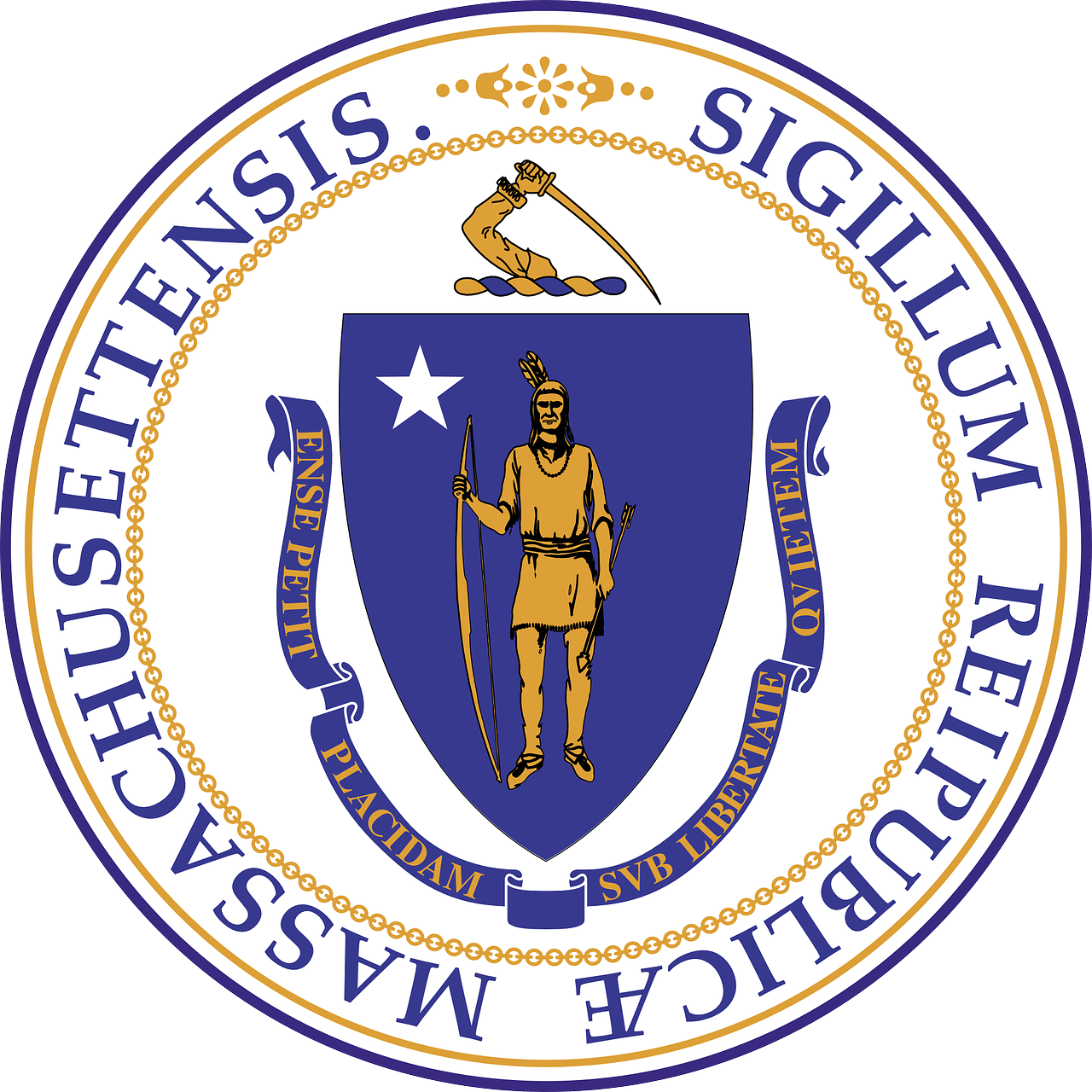
ChildCareEd Child Care Training wishes everyone an early Happy Massachusetts Day! This historic day recognizes Massachusetts as the second of the original thirteen colonies in New England to join the Union. To support educators and providers across the Commonwealth, ChildCareEd offers online CDA preparation courses such as our Infant and Toddler CDA  Buy Now
 $500.00$400.00 and Preschool CDA Buy Now $500.00$400.00, which many Massachusetts providers use to meet training and credentialing goals. Traditionally celebrated by residents by consuming cranberry-rich foods and treats, Massachusetts Day is particularly celebrated because the state is where the Mayflower, carrying the Pilgrims from Massachusetts, landed on North American shores.
What is Massachusetts Day and why does it matter to early childhood educators?
Throughout American history, Massachusetts has recorded many notable firsts, particularly in education. Institutions founded in the 17th and 20th centuries—Harvard (1636), the Mather School (1639), and later technological advances at MIT—have shaped how Americans think about schooling and civic life. For early childhood educators, Massachusetts Day offers a timely curricular anchor for integrating local history, social studies foundations and vocabulary-building into developmentally appropriate activities.
Classroom ideas that align to early learning goals include short, picture-rich stories about local history, sensory play with cranberries and related textures, and simple projects that build expressive language and social skills while honoring community traditions. These concrete classroom connections make the holiday meaningful for young children and support school-readiness outcomes.
Where can Massachusetts providers find state-specific licensing and regulation information?
Massachusetts has continually championed education from post-secondary institutions to early childhood programs, yet regulatory expectations and public-health guidance remain essential reference points for operating and improving programs. The Covid-19 pandemic intensified staffing and training needs; programs that align professional development with licensing and health standards are better positioned to remain compliant and to retain staff.
For state-focused help, begin with practical guidance in our licensing and staffing support article: Need Help With Licensing or Staffing? ChildCareEd Can Help. To strengthen classroom practice that also supports compliance, review resources on language development (How can preschool classrooms best support language development?) and everyday vocabulary-building (How can we build strong vocabulary through everyday conversations in child care?).
Providers should consult the Massachusetts Department of Early Education and Care (EEC) for official licensing rules and contact ChildCareEd for course recommendations mapped to those requirements.
What training does ChildCareEd offer to help Massachusetts providers meet state requirements?
ChildCareEd Child Care Training offers the coursework required for early childhood professionals to apply for their Child Development Associate (CDA) in Infant and Toddler Buy Now $500.00$400.00, Preschool Buy Now $500.00$400.00, or Family Child Care Buy Now $500.00$400.00. We also provide the 45 clock hours (4.5 CEUs) required for CDA credential renewal. Because ChildCareEd is accredited under IACET, our certificates are accepted toward common annual training requirements (typically 5–20 hours; 0.5–2.0 CEUs).
If you need help matching training to Massachusetts licensing expectations or to program staffing plans, see our licensing support page (Need Help With Licensing or Staffing?) and consider targeted topic courses such as child abuse and neglect recognition (What should child care staff learn in Child Abuse and Neglect Training?) and basic safety standards (What are the basic child care safety standards we must follow?).
How can Massachusetts providers turn Massachusetts Day into standards-aligned lessons?
Use Massachusetts Day as a curriculum anchor that supports measurable learning objectives across language, social-emotional growth, emergent math, science inquiry, and fine-motor skills. Begin by selecting one or two focused objectives (for example: expressive vocabulary, turn-taking, or counting by ones) and design brief, repeatable activities that are accessible to preschool and toddler groups.
Practical, standards-aligned activities include:
- Picture-rich story time about local history with targeted vocabulary cards to build expressive and receptive language (link to How can preschool classrooms best support language development?).
- Sensory cranberry play trays for the science table: compare float/sink, sort by color/size, and count cranberry 'seeds' to practice one-to-one correspondence and classification.
- Role-play and dramatic play corners with costumes and props to strengthen narrative skills and social problem solving; document language samples to track progress toward expressive-language goals (link to How can we build strong vocabulary through everyday conversations in child care?).
Plan short, repeatable lessons (10–20 minutes) and scaffold complexity across the week. Differentiate by providing picture supports, sentence frames, or tactile cues for children who need more support. Record quick observational notes tied to your chosen objectives so the holiday becomes a data point in children’s ongoing assessment rather than a one-off celebration.
How should programs document staff training and link it to Massachusetts licensing requirements?
Create a concise training matrix that maps required topics to staff roles, training dates, and certificate evidence. Typical required topics include child abuse recognition and reporting, health and safety, emergency preparedness, and professional development hours/CEUs. While ChildCareEd course certificates (IACET-accredited) are commonly accepted for continuing education, programs must verify equivalencies against Massachusetts EEC rules for the specific licensing category; instruct staff to consult the Massachusetts Department of Early Education and Care (EEC) website for current regulatory detail.
A simple documentation workflow:
- Audit: list current trainings and dates for each staff member.
- Map: align trainings to EEC-required topics and identify gaps (e.g., first aid, mandated reporter, ratio-compliant training hours).
- Plan & enroll: schedule ChildCareEd courses (CDA preparation, topic-specific courses such as child abuse recognition and basic safety standards) and note expected CEUs/certificates.
- Record: keep scanned certificates on file, maintain a staff-training log with dates and CEU values, and include the course URL in the staff record for audit readiness.
Link practical resources into your matrix: embed ChildCareEd course pages so staff can enroll directly and add a column in your tracker for the ChildCareEd article that explains the training’s purpose (for example, link to What are the benefits of getting a Child Development Associate (CDA) credential? and topic pages on safety and child abuse recognition). These steps help programs demonstrate compliance to EEC auditors and turn professional development into measurable staff improvement rather than paperwork alone.
Summary: What should you do next?
- Review your program's training calendar and identify staff who would benefit from CDA preparation or renewal.
- Enroll staff in relevant ChildCareEd courses (Infant & Toddler, Preschool, or Family Child Care) and track certificates toward Massachusetts training requirements.
- Use ChildCareEd's licensing support and topic-specific articles to align your policies and emergency planning with state expectations.
Taking these steps will help you strengthen program quality, maintain compliance, and support staff professional growth. Celebrate Massachusetts Day by reflecting on the state's educational legacy and investing in your team's development. #Massachusetts #CDA #earlylearning #childcare #training
Further reading on ChildCareEd:
- What are the benefits of getting a Child Development Associate (CDA) credential?
- What qualifications do preschool teachers need to succeed?
- How can preschool classrooms best support language development?
- How can we build strong vocabulary through everyday conversations in child care?
- What are the basic child care safety standards we must follow?
- What should child care staff learn in Child Abuse and Neglect Training?
References:
- 4th of July Fun Facts
- Services at ChildCareEd
- ¿Cuáles son las mejores actividades del Día de la Tierra para niños en casa o en el aula?
- ¿Cómo solicito la licencia para una guardería en California?
- Cómo Trabajar en el Cuidado Infantil en Virginia: Requisitos y Pasos
- Father’s Day Activities Students Can Make and Share
- How can preschool classrooms best support language development?
- Celebrando la amistad en el cuidado infantil durante el Día de los Mejores Amigos
- What qualifications do preschool teachers need to succeed?
- How can child care providers support name recognition and letter awareness effectively?
- How can child care programs build strong readers before kindergarten?
- What Massachusetts EEC Regulations Do Child Care Providers Need to Follow?
- National Massachusetts Day for Kids: Explore the Bay State Through Play
- Happy or Sad? Preschool Activities That Help Children Read Emotional Clues
- Food Program for Childcare Providers: Are You Missing Out on Meal Reimbursement?
- How Can Emotional Check-Ins Become a Meaningful Part of the Daily Child Care Routine?
- How Can Recipe Sequences Build Comprehension and Oral Language in Preschool?
- How Can You Help a Child Hold Two Feelings About the Same Event?
- Is a Beginning Reader Decoding or Guessing from Pictures?
