Strong leadership shapes the daily experiences of children, families, and staff in Nebraska’s child care programs. Directors and administrators manage budgets and staffing, guide teachers through challenges, and build relationships with families—all while keeping children’s care and learning at the center of their decisions. ChildCareEd’s Child Care Administration  Buy Now
 $99.00$84.00 course supports this work with practical training in program planning, staff supervision, budgeting, and professional leadership. When leaders set clear expectations and give their teams consistent support, they help create the conditions for quality early learning.
What does #leadership look like in Nebraska’s #early-childhood programs?
Directors and administrators are more than just managers. They set the tone for their program’s culture, balancing business responsibilities like budgeting, scheduling, and compliance with the heart of early childhood education: nurturing young learners. Their leadership supports safe, responsive environments. Because licensing requirements depend on program type and role, directors should verify current requirements with Nebraska’s child care licensing agency before changing policies or assigning compliance responsibilities.
What should Nebraska directors do to monitor licensing compliance?
Make compliance a routine management practice rather than a task reserved for inspection time. Assign a responsible person to maintain a calendar of licensing and renewal dates, document staff credentials and required training, and keep policies, emergency information, attendance records, and inspection correspondence organized. Review records on a regular schedule and whenever staffing, enrollment, or program operations change.
Use a written checklist to compare daily practices with the applicable Nebraska requirements for your program. If a requirement is unclear, confirm its interpretation with the state licensing agency or licensing specialist; do not assume that a course certificate or general professional-development activity satisfies a regulatory requirement. Record the source and date of each verification so the team can revisit it when guidance changes.
How do directors support staff and #educators?
Great leaders build strong teams. Directors mentor teachers, provide constructive feedback, and connect staff to professional development opportunities. For additional ideas, explore strategies for improving your skills as a child care director. Nebraska providers can explore training and credentials, while verifying with the relevant agency or registry whether a particular option applies to their role and program.
How can directors make staff coaching useful and consistent?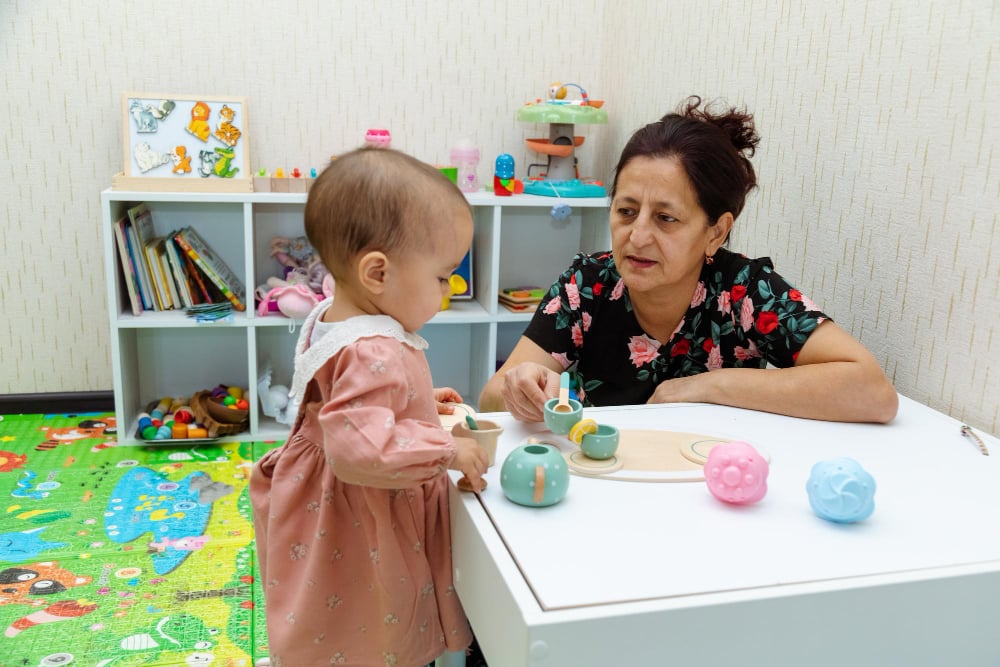
Begin with predictable, job-embedded support. Schedule brief check-ins and classroom observations, explain the purpose of each observation, and use specific evidence—such as how educators respond to children’s cues or support transitions—rather than broad judgments. Follow feedback with one manageable goal, an agreed-upon strategy, and a date to revisit progress.
Coaching should be collaborative and strengths-based. Ask educators what is working, where they feel uncertain, and what resources would help. Pair less-experienced staff with a trained mentor when possible, protect time for planning and peer discussion, and recognize growth as well as concerns. When performance or safety issues arise, document expectations and follow program policies consistently.
Professional development is more likely to influence practice when directors connect it to observed needs. After a training, invite staff to identify one strategy to try, arrange time to discuss how it went, and consider whether additional coaching or materials are needed. Training and credentials can support professional growth, but directors should confirm any claimed regulatory or credentialing acceptance before presenting an option as a requirement.
Educators can also take advantage of a #free training opportunity: Building Vocabulary Buy Now $16.00, a course that equips staff with fun, engaging strategies to boost children’s #language-development.
For Nebraska providers seeking a clear path to credentialing, see our step-by-step guide to earning your CDA in Nebraska that explains state-specific requirements, training options, and portfolio preparation. Directors exploring role qualifications can also read this guide to becoming a daycare director in Nebraska.
Why are administrators essential for family #engagement?
Families look to directors for guidance and reassurance. By fostering open communication, creating welcoming environments, and ensuring policies are clear and supportive, administrators build trust with families. Directors looking for practical systems can also review ChildCareEd’s overview of Group Admin for child care leaders. This partnership helps parents feel connected to their child’s early-learning experience.
What communication practices strengthen family partnerships?
Make communication accessible, consistent, and two-way. Explain how families can reach the program, when they can expect a response, and how urgent concerns are handled. Share information about children’s routines and learning in ways that protect confidentiality, and invite families to contribute knowledge about their child’s interests, language, culture, and support needs.
When a concern arises, listen without becoming defensive, clarify what the family hopes will change, and agree on a practical next step. Document important conversations according to program policy and follow up when promised. Provide translated or otherwise accessible communication when needed, and avoid relying on a single channel that may not work for every family.
Directors can also invite family feedback about the program environment, communication, and transitions. Use recurring themes to guide improvements, explain what actions the program will take, and close the loop with families. A clear feedback process demonstrates that family input informs decisions while maintaining appropriate boundaries and confidentiality.
How do directors ensure quality and compliance?
Directors carry the responsibility of maintaining compliance with Nebraska’s licensing requirements while striving for program excellence. They implement safe practices, monitor quality, and provide resources that strengthen teaching. Tools like the Lesson Plan Template for Birth to Five Buy Now $0.00 help educators plan meaningful and intentional learning experiences.
For leadership insights, check out Unlock the Power of Group Admin: The Ultimate Tool for Child Care Leaders.
What professional growth opportunities are available for Nebraska leaders?
Strong leaders continue to learn and reflect. Directors and administrators can build expertise through credentials, specialized training, and other professional-development opportunities. For a broader look at career learning options, see what counts as professional development for early childhood educators. Before enrolling, confirm the course’s current availability and whether it is accepted for the learner’s role or purpose; completing a course does not by itself establish regulatory compliance or qualify someone for a position.
How can directors build a sustainable professional-growth plan?
Start with a short needs assessment: identify program goals, staff strengths, recurring challenges, and skills needed for the director’s own responsibilities. Choose one or two priorities for the next planning period, such as supporting new educators, improving family communication, or strengthening documentation practices. Define an observable outcome so the team can tell whether the learning is useful.
Combine learning formats to fit the need. A course can introduce concepts, while peer discussion, mentoring, and practice with feedback help staff apply them. Keep a record of completed learning and any certificates, but distinguish that record from official approval or acceptance. Ask the appropriate state agency, registry, credentialing body, or employer to verify requirements before relying on a training toward them.
At regular intervals, review what changed in practice and whether the goal was met. If it was not, adjust the support rather than treating completion as proof of impact. This cycle—identify a need, learn, apply, and reflect—helps professional development remain connected to children’s experiences and the program’s priorities.
Why do directors shape the future of Nebraska’s early learning programs?
What should Nebraska’s early learning leaders remember?
Directors and administrators influence every layer of a program—teacher morale, family trust, community partnerships, and children’s day-to-day experiences. Their leadership builds the foundation for quality care. Set clear expectations, coach staff with specific feedback, invite families into two-way communication, and make compliance review routine. Verify current Nebraska requirements with the licensing agency, and confirm course or credential acceptance with the responsible agency or registry before relying on it.
✨ Stay Connected!
For more resources, training, and leadership insights, follow ChildCareEd.com on social media. Together, we can support Nebraska’s early learning leaders in shaping the future for young children.
- 🌟Guiding Greatness: How Directors & Administrators Shape Early Learning in Nebraska
- 😫🧸 ¿Qué hacer cuando un bebé no quiere dormir la siesta en el aula?
- 👶 ¿Cuáles son las proporciones y grupos requeridos en Dakota del Norte? 🏫
- Cómo Abrir Una Quardería En Casa Sin Dinero?
- Cómo Iniciar el Proceso de Obtención de la Licencia de Cuidado Infantil
- Proporciones de Cuidado Infantil y Tamaños de Grupo por Edad en Maryland (Guía Rápida para Centros y Hogares)
- Proporciones de Cuidado Infantil y Tamaños de Grupo por Edad en Nueva Jersey (Guía Rápida para Centros y Hogares)
- Proporciones de Cuidado Infantil y Tamaños de Grupo por Edad en Virginia (Guía Rápida para Centros y Hogares)
- Por Qué la Supervisión Activa Es Clave para la Seguridad en el Cuidado Infantil
- 7 Estrategias de Supervisión Activa para un Cuidado Infantil Más Seguro
- Retraso del Habla en la Guardería: Cómo Pueden Ayudar los Proveedores
- Cómo Trabajar en el Cuidado Infantil en Georgia: Requisitos y Pasos
- Cómo Trabajar en el Cuidado Infantil en Carolina del Norte: Requisitos y Pasos
- Cómo Ser Maestra de Preescolar en Illinois
- Cómo Ser Maestra de Preescolar en Maryland
- Capacitación CDA gratuita en Illinois
- Canciones, juegos y preguntas de círculo para niños
- Cómo simplificar la capacitación para sus empleados de daycare
- ¿Todos los niños deben participar en el tiempo de círculo?
