MyPlate is a nutritional food guide developed by the U.S. Department of Agriculture (USDA) that helps caregivers and early childhood programs plan balanced meals for children. This article explains how to interpret MyPlate for infants, toddlers, and preschoolers and offers practical strategies programs can implement during menu planning, snack time, and family communication. For more in-depth training and practical meal-planning tools, consider the ChildCareEd courses Health and Nutrition  Buy Now $24.00 and On My Plate: Children's Nutrition Buy Now $24.00.
What is MyPlate and why is it important for early childhood settings?
MyPlate translates the Dietary Guidelines into a simple visual that highlights fruits, vegetables, grains, protein, and dairy. For early childhood professionals, MyPlate is a framework for ensuring meals and snacks are nutrient-dense and balanced across the day. It emphasizes variety, appropriate portioning, and selection of whole grains and low-fat dairy options when age-appropriate. Aligning menus with MyPlate principles supports healthy growth, cognitive development, and the prevention of nutrition-related conditions later in life. For program-level guidance and strategies for teaching children about food, see How can child care programs teach great nutrition and healthy eating habits?.
How do MyPlate recommendations apply to infants and toddlers?
Infants and toddlers require a developmentally tailored approach. From birth to 12 months, breast milk or formula remains the primary source of nutrition; complementary foods are introduced around six months. As infants transition to table foods, prioritize iron-rich foods, full-fat dairy or appropriate alternatives after 12 months, and a variety of vegetables and fruits without added sugar. For toddlers, emphasize nutrient-dense choices and minimize added sugars and excess sodium. Practical techniques include offering soft cooked vegetables, mashed legumes, and ground lean proteins, and practicing responsive feeding—allowing children to regulate intake based on hunger and satiety cues. For specific early-feeding guidance consult Good Nutrition Starts Early (CDC).
What portion sizes and menu targets should programs use for infants, toddlers, and preschoolers?
Portioning in early childhood programs should be pragmatic, developmentally appropriate, and responsive. Begin complementary feeding with very small offerings—spoonfuls or 1–2 tablespoons of a single food at first—and increase variety and volume as oral skills and interest develop. For toddlers, offer child-sized portions and allow refills rather than serving large adult-sized portions; many programs find that offering about one-quarter to one-third of an adult portion (or one to two tablespoons per year of age as a simple kitchen rule) helps limit waste while ensuring exposure to nutrients. Preschool-aged children typically accept slightly larger portions but still require smaller, frequent servings across the day.
Use portioning as a guide, not a mandate: observe hunger and satiety cues and allow additional helpings when appropriate. When children have special nutritional needs, documented care plans should specify portions and substitutions. For precise meal-pattern requirements tied to federal programs such as CACFP, consult your state CACFP guidance and the CDC nutrition guidance already cited in this article.
How can child care programs implement MyPlate in menus, mealtimes, and curriculum?
Implementation requires coordination among directors, cooks, teachers, and families. Start with menu audits to increase vegetable variety, swap refined grains for whole grains, and ensure adequate servings of legumes, lean proteins, and fortified dairy alternatives as appropriate. Structure predictable meal and snack times, create a pleasant mealtime environment, and use family-style service when safe and allowed by licensing to support self-feeding and social learning. Use curriculum connections—taste tests, food exploration activities, and garden projects—to reinforce exposure to new foods. The ChildCareEd article How can preschool programs build healthy eating habits for young children? offers classroom strategies; Healthy Cooking for Picky Kids provides recipe and preparation ideas for centers.
How do federal nutrition programs and state licensing rules affect implementing MyPlate?
Implementing MyPlate in a licensed child care setting often intersects with federal meal programs (for example, CACFP) and with state licensing or health department rules. CACFP meal patterns specify components, portion minimums by age group, and allowable substitutions; these rules can affect menu choices and portioning and may impose documentation requirements for menu changes or medical substitutions. State licensing can also affect mealtime logistics—for example, whether family-style service is allowed for certain age groups, sanitation requirements for kitchen staff, and rules about serving raw or unmodified foods to young children. 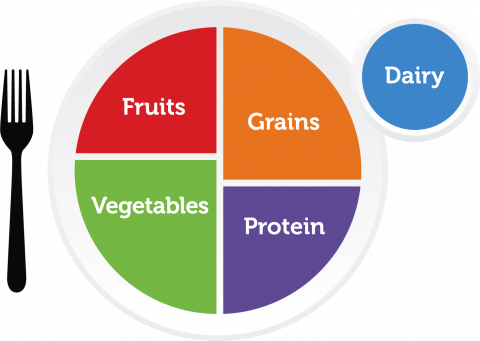
Programs should integrate MyPlate principles within the constraints of program rules: when designing menus, check CACFP meal-pattern guidance and the licensing requirements that apply to your program type and age groups. For state-specific implementation notes see our ChildCareEd guidance for North Dakota: How can North Dakota childcare programs plan healthy meals and follow CACFP? and for Michigan: How can Michigan child care programs use CACFP and Summer Meals…. Always confirm acceptance of a menu pattern with your state licensing and CACFP specialists before making regulatory claims or large-scale menu changes.
How should programs manage picky eating, cultural preferences, and special dietary needs?
Address picky eating with repeated neutral exposure, small portions, and no-pressure encouragement. Respect cultural and family food practices by incorporating culturally relevant fruits, vegetables, and grains into menus—this supports inclusion and increases acceptance. For children with medical or special dietary needs, follow documented care plans and coordinate with families and licensed healthcare providers. When federal nutrition programs apply, align menu planning with CACFP guidance and state licensing rules. Useful program-level resources include How can child care programs promote nutrition and healthy eating habits? and How can child care programs handle picky eaters without mealtime battles?.
What practical steps can staff take tomorrow?
- Audit one week of menus and identify three swaps (e.g., whole-grain bread for white, water instead of juice, beans for processed meats).
- Introduce one new vegetable via a group taste activity three times across two weeks.
- Train classroom staff on responsive feeding and portion sizes; consider the ChildCareEd Healthy Habits from the Start Buy Now $24.00 course for staff orientation.
- Engage families with a short handout that explains MyPlate for young children and suggests home activities.
For menu-planning tied to regulatory programs, review the ChildCareEd article on meal planning and CACFP: How can North Dakota childcare programs plan healthy meals and follow CACFP? and the seasonal meal ideas in How can Michigan child care programs use CACFP and Summer Meals to keep children nourished when school is out?.
Summary: What should child care professionals remember?
MyPlate provides a simple scaffold for menu design, but effective implementation in early childhood requires age-appropriate adjustments, culturally responsive menus, responsive feeding practices, and staff training. Begin with small, measurable changes—menu swaps, a taste activity, and a staff briefing—and build from there. For practical classroom techniques and recipe ideas see Eat, Play, Grow: Essential Nutritional Tips for Growing Minds.
- CDA Home Visitor Subject Area 3 Part 3 Birth to 5
- Nutrition Essentials for Child Care Providers
- Children at the Wheel: Emergent Curriculum
- 24 Hour Texas Pre-Service
- CDA Bridge Bundle: Infant/Toddler without Portfolio Review
- Emergent Learning & Development
- 45-Hour Infant and Toddler Curriculum
- On My Plate: Children's Nutrition
- CDA Infants/Toddlers: Smart Nutrition & Feeding
- Healthy Cooking for Picky Kids
- National Nutrition Month #HealthConscious #LivingHealth
- Eat, Play, Grow: Essential Nutritional Tips for Growing Minds
- Snack Attack! The Best Brain Foods for Growing Minds
- Cocoa, Cookies, and Cognitive Development: The Holiday Nutrition Guide for Little Learners
- Menos Estrés a la Hora de Comer: Rutinas Simples Que Sí Funcionan
- How can child care programs teach great nutrition and healthy eating habits?
- How can preschool programs build healthy eating habits for young children?
- How Can New York Childcare Providers Prevent Childhood Obesity with Better Nutrition?
- How can child care programs promote nutrition and healthy eating habits?
- CACFP Certification Training for CCNP and CMP Applicants
- How Can Child Care Providers Support Infant Brain Development?
- How can Michigan child care programs use CACFP and Summer Meals to keep children nourished when school is out?
- How Can Farm-to-Table Experiences Teach Toddlers Where Food Comes From?
- How can child care programs build healthy eating habits that last?
- Food Program for Childcare Providers: Are You Missing Out on Meal Reimbursement?
- Veggie Faces, Rainbows, and Snack Boards: Creative Ways to Present Vegetables to Kids
- How Can Child Care Providers Serve Healthy Meals and Snacks That Children Enjoy?
