Safety, health, and nutrition in childcare are important concepts that influence providers' everyday day work with children. Each moment that providers spend with young children they must consider any and all safety risks. The most important role of childcare providers is to keep children safe at all times. Consider training such as 1,2,3, Eyes on Me: Classroom Safety  Buy Now
 $32.00$24.00 and Health & Nutrition Buy Now $24.00 to strengthen staff practice. When providers have a thorough understanding of all aspects of child health, safety, and nutrition they are better prepared to minimize safety risks and design a program that supports optimal health and nutrition.
What are the core responsibilities of childcare providers for safety, health, and nutrition?
Childcare professionals are responsible for establishing program policies and everyday practices that reduce risk and promote healthy development. Core responsibilities include: systematic supervision, age-appropriate environmental safety checks, safe sleep practices for infants, medication administration protocols, documented illness-exclusion criteria, and nutrition policies that meet dietary guidelines and accommodate allergies. These responsibilities are operational: they should be codified in written policies, demonstrated in daily routines, and supported by ongoing staff training and quality monitoring. For practical implementation, review first-aid readiness and CPR competencies described in our article on Got CPR and A Well-Stocked First Aid Kit?.
How can providers reduce common injury and illness risks in the classroom and outdoors?
Risk reduction requires a layered strategy: environmental controls, staff practices, and child-focused instruction. Environmental controls include removing choking hazards, maintaining safe playground surfacing, securing cabinets with hazardous materials, and verifying vehicle and transportation safety protocols. Staff practices involve using supervision checklists, conducting written daily indoor/outdoor safety scans, maintaining accurate attendance and head counts, and ensuring all staff hold current pediatric first aid and CPR training. For concrete guidance on readiness and seasonal planning, see our piece Getting Ready for the New School Year: Prioritizing Safety with First Aid and CPR Training. The CDC underscores the provider role in injury prevention and offers checklists for playground, water, poisoning, and sleep safety (CDC: Safety, Health, and Injury Prevention Recommendations).
How does nutrition and illness-prevention practice support child development?
Nutrition and consistent health practices directly affect cognitive, socioemotional, and physical development. Providers should implement menus that reflect balanced macronutrients and micronutrient needs for age groups, maintain clear handwashing and exclusion policies for infectious illness, and coordinate with families on feeding plans and modified diets. Documented meal procedures and allergy-management plans reduce risk and support inclusion. For practical coursework that aligns with program practice, consider the Health & Nutrition course listed above and review case examples in our pediatric training article Pediatric First Aid and CPR Training with ChildCareEd.
Which trainings, policies, and program-level steps strengthen long-term safety and compliance?
Program leaders should adopt structured orientation for new staff, annual competencies for health and safety topics, and a documented system for training records and quality assurance. Implement incident reporting protocols, routine drills (fire, evacuation, lockdown), and a standing relationship with local licensing and public health agencies. For state-specific operational checklists and licensing preparation, see resources including How do I get OCFS-ready for publicly funded programs and the summary of state standards in Arizona Daycare Center Standards. When developing your program plan, verify required training hours and approved providers with your state agency; acceptance varies by jurisdiction.
Register for one of the following training courses with H&H Childcare Training Center — including 1,2,3, Eyes on Me: Classroom Safety and Health & Nutrition — to enhance your skills and knowledge regarding child safety, health, and nutrition.
- 1,2,3, Eyes on Me: Classroom Safety Buy Now
$32.00$24.00: In this 4-hour course, we will help you learn ways to keep a safe environment both indoors and outdoors as well as strategies to ensure appropriate supervision of young children is maintained at ALL times. - Success in Safety for Babies Buy Now $24.00: In this three-hour training course, infant and toddler teachers will identify potential hazards within both the indoor and outdoor classroom environment. Teachers will also learn safe sleep practices to ensure all children in their care are safe.
- Emergency and Disaster Preparedness Buy Now
$55.00$45.00: Emergencies can happen at any time and to anyone. This in-depth 6-hour course will help childcare providers learn what to do when disaster strikes and how to be better prepared. - Health & Nutrition Buy Now $24.00: Healthy, well-balanced diets and well-maintained health are crucial to children’s development. In this 3-hour course, childcare professionals will learn practices that ensure that children are safe and healthy.
- Mandated Reporters Buy Now $16.00: In this 2-hour training providers will learn the types of abuse children could be subjected to. the signs and symptoms of these types of abuse, the role of mandated reporters, and how to complete reports.
Visit H&H Childcare Training Center’s website at www.childcareed.com to see our full listing of health, safety, and nutrition courses.
How can families choose a childcare program that prioritizes safety?
Families should look for programs with written safety policies, visible staff training certificates, and routine environmental checks. During visits, ask to see current pediatric CPR and first-aid certificates, recent health inspection or licensing reports, sample supervision logs, and the program’s illness-exclusion and allergy-management procedures. Programs that participate in state quality-rating systems or that can show recent corrective-action reports from licensing authorities often demonstrate consistent safety practice. Verify documentation with your state agency — for an example of the types of licensing documents and records a program should have, see What do I need to know to provide child care in New York?. Use family tours to observe supervision ratios, outdoor surfacing, and medication storage before enrolling.
How can you put Safety First in your program today?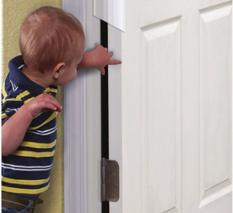
Begin with a concise action plan: 1) review and update written policies for supervision, medication, and illness exclusion; 2) ensure at least two staff members hold current pediatric CPR and first aid certification; 3) conduct weekly indoor/outdoor safety scans and document corrections; 4) adopt a nutrition policy that addresses allergies and developmentally appropriate feeding; and 5) schedule recurring staff training tied to measurable competencies. Share these actions with families and keep training records centralized for licensing inspections and continuous quality improvement.
Summary: What should you take away?
Childcare providers can make measurable gains in child safety and health by codifying policies, investing in targeted training, and using routine environmental checks. Use available courses and the linked articles above to build a program-wide plan, verify training and documentation with your state licensing office, and sustain improvement through staff coaching and family communication. Prioritize #safety, #health, #nutrition, #supervision, and #training.
- 45 Hour Child Growth and Development
- Administering Basic Health and Safety ONLINE
- Bienvenido! Welcoming All Families
- Pediatric RSV First Aid & CPR/AED
- CDA Bridge Bundle: Family Child Care without Portfolio Review
- CDA Bridge Bundle: Infant/Toddler without Portfolio Review
- CDA Bridge Bundle: Preschool without Portfolio Review
- Texas Director Credential
- 10 Hour Health and Safety Orientation Training
- 24 Hour Family Child Care Pre-Service Training ONLINE
- Focus on Health and Safety Training
- Keeping Our Youngest Students Safe: The Vital Importance of Pediatric First Aid and CPR Training for Teachers
- Getting Ready for the New School Year: Prioritizing Safety with First Aid and CPR Training
- The Guardian of Giggles: The Magic of Child Care Professionals, How Can You be One?
- Que Se Necesita Para Trabajar En Un Daycare?
- ¿Cómo Abrir Una Guardería En Casa Paso a Paso?
- ¿Cómo puedo usar escenarios de juego de roles de primeros auxilios en mi aula?
- ¿Cuáles son las mejores actividades de primeros auxilios para adultos?
- ¿Cómo pueden los equipos de cuidado infantil practicar habilidades rápidas de primeros auxilios en situaciones reales?
- ¿Cómo solicito la licencia para una guardería en California?
- Regulaciones de Licenciamiento de Cuidado Infantil en California para Centros y Hogares de Cuidado Infantil Familiar
- Lista para Abrir una Guardería en Casa en Dakota del Norte: Cómo Empezar
- Lista para Guardería en Casa en Illinois: Cómo Iniciar una Guardería en el Hogar
- Lista para Guardería en Casa en Texas: Cómo Iniciar una Guardería en el Hogar
- Cómo Trabajar en el Cuidado Infantil en Maryland: Requisitos y Pasos
- Capacitación Previa al Servicio para Proveedores de Cuidado Infantil en Nevada
- How can childcare programs support farm families with flexible care in rural North Dakota?
- How to Become a Childcare Worker in Alaska: Requirements and Steps
- What Daycare Certification Requirements Must You Complete Before You Can Start Working?
