Sign in to download Create a free account
This resource is free. Sign in and you'll come straight back here to download it.
Description
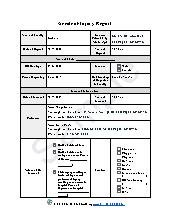
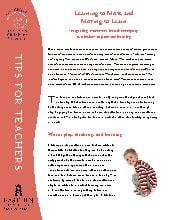
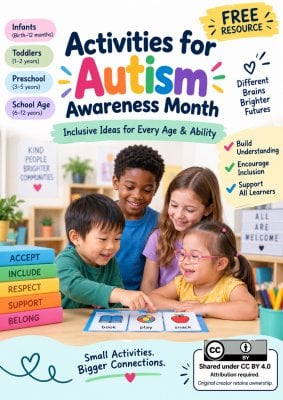
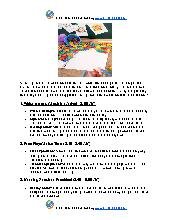
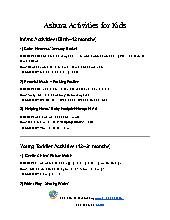
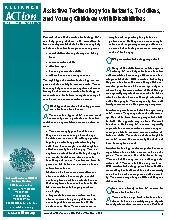
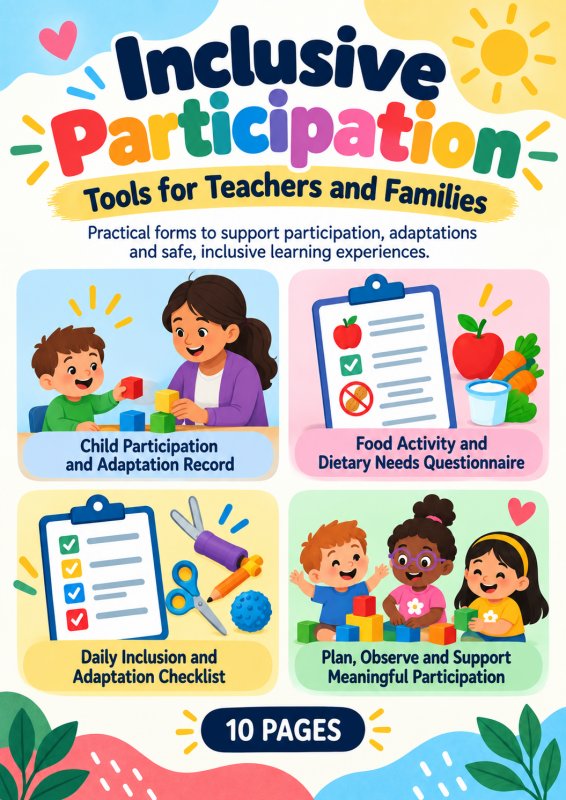
Make playtime and classroom activities more accessible, engaging, and inclusive with this 10-page printable toolkit designed for childcare providers, infant and toddler educators, preschool teachers, and early childhood professionals.
This practical resource combines child participation records, activity adaptation checklists, family questionnaires, and interactive mazes to help educators identify barriers to participation and adjust materials, equipment, and learning experiences to meet children's individual needs.
With an emphasis on strengths-based observation, meaningful choices, and independence, the toolkit helps teachers create learning environments where children of different abilities can participate in ways that work for them.
What's included:
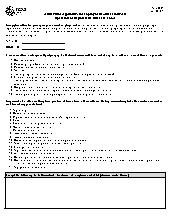
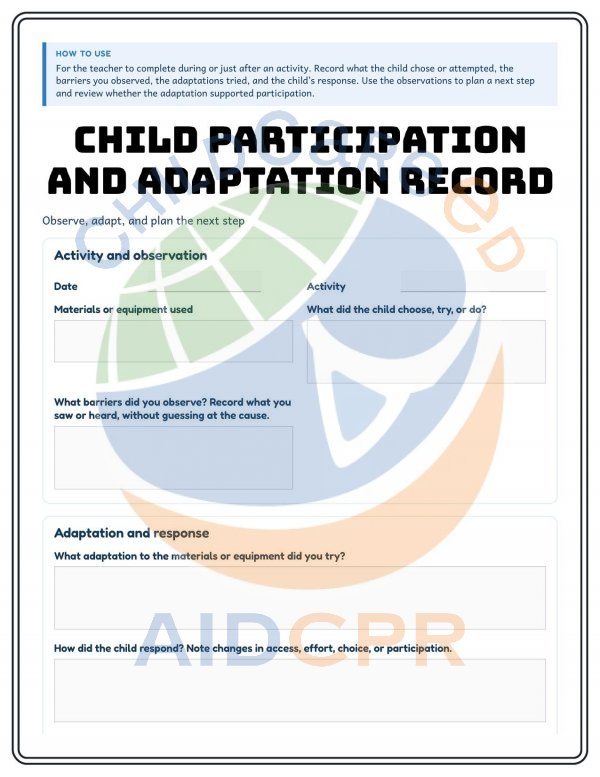
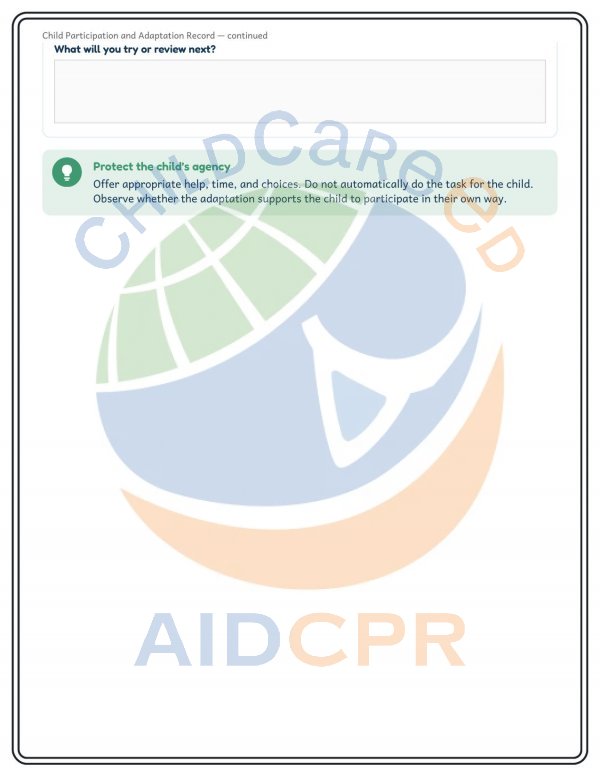
- Child Participation and Adaptation Record: A reusable observation form for documenting children's choices, activities, participation barriers, adaptations attempted, and responses to additional support.
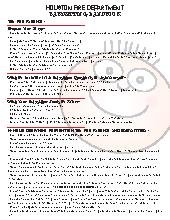
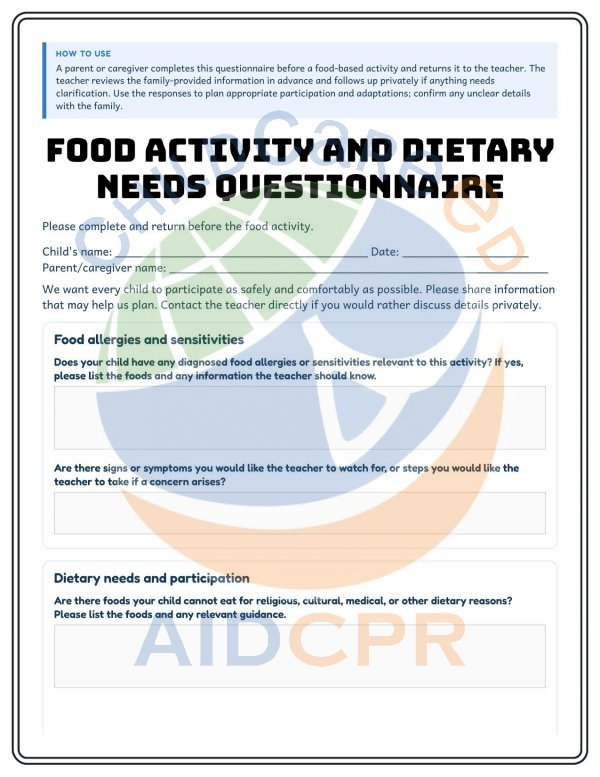
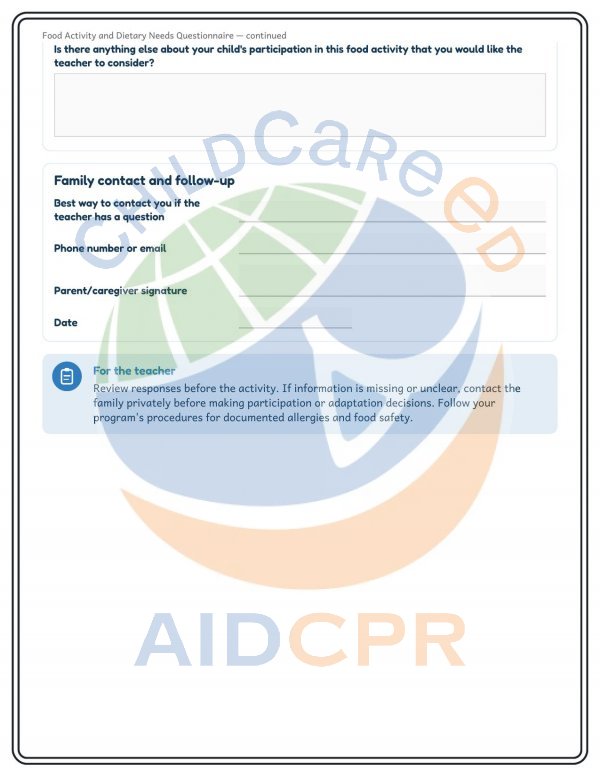
- Food Activity and Dietary Needs Questionnaire: A family communication form for gathering important information about food allergies, sensitivities, cultural or religious dietary restrictions, and individual participation needs.
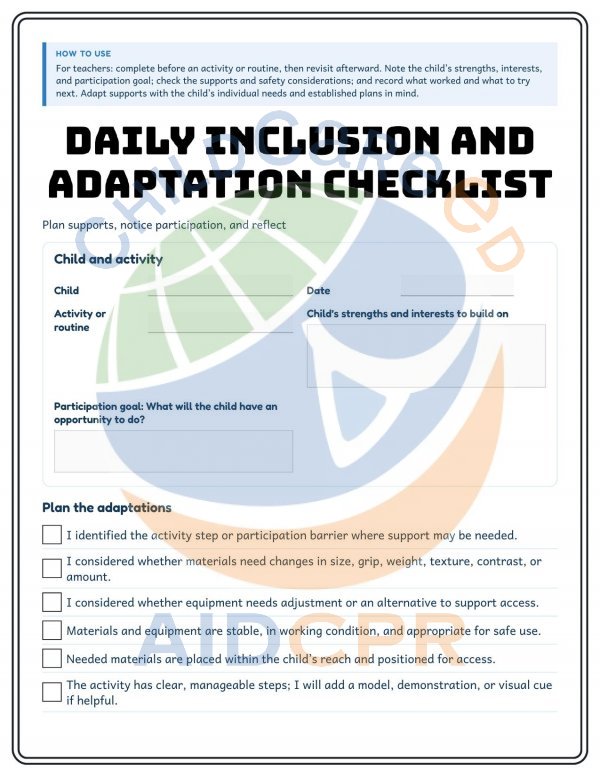
- Daily Inclusion and Adaptation Checklist: A practical teacher planning tool for evaluating materials, equipment, accessibility, activity modifications, and individualized support strategies.
- Adaptation Planning and Reflection: Guided sections for considering adjustments to material size, grip, texture, visual contrast, equipment positioning, activity pacing, and opportunities for independent participation.
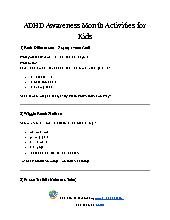
- Make a Path: Community Helper Mazes: Two printable mazes featuring a firefighter finding the fire station and a child finding the way to breakfast.
- Accessible Activity Alternatives: Suggestions for adapting maze activities through larger pathways, high-contrast materials, tactile guidance, finger tracing, pointing, and verbal responses.
Perfect for: Infant and toddler program planning, preschool classrooms, inclusive learning environments, differentiated instruction, childcare centers, teacher observation, and professional development.
The planning forms help educators support infants and toddlers through appropriately adapted hands-on experiences. The maze activities are more suitable for children ready for simple path-following tasks, with flexible response options to accommodate individual abilities.
Related Training(s)




Other items you may like