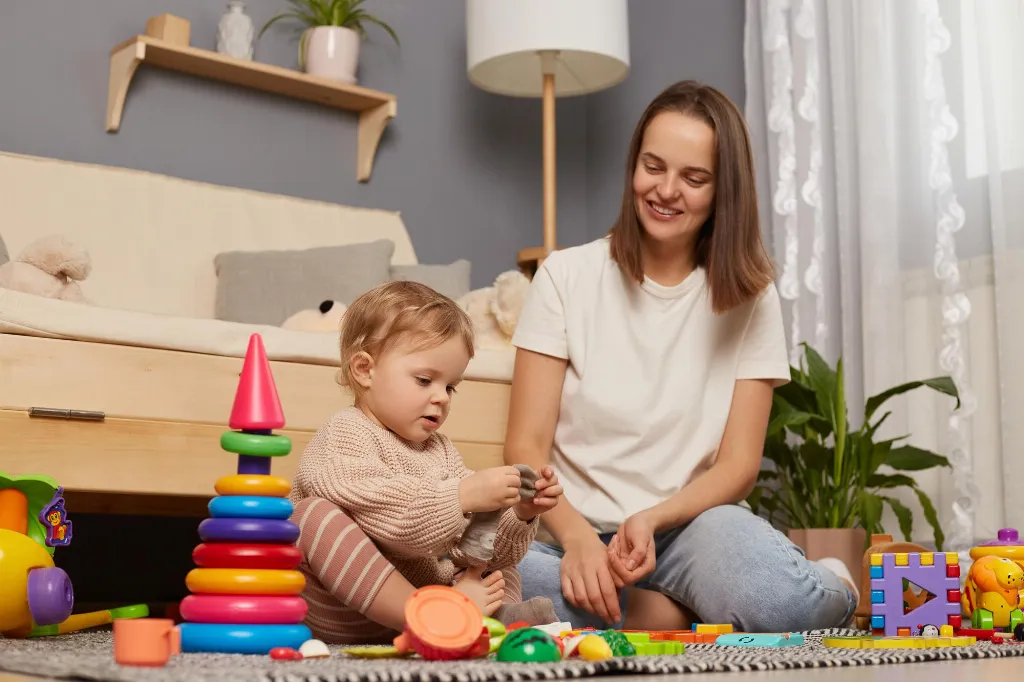
 Becoming a certified babysitter helps people stay calm, act fast in an emergency, and earn trust from families. When you finish a course you often get a printable or digital certificate that shows you learned important skills. Getting the right #certificate and #CPR and #training helps each #babysitter keep children safe and feel ready.
What certifications can babysitters earn and which fit your goals?
- 😊 Free basic online certificates — quick, low-cost ways to learn fundamentals. See ChildCareEd’s list of free courses with certificates.
- 🛟 Online babysitting courses — teach age-appropriate care, behavior tips, and safety. The American Red Cross Babysitting Basics is one example.
- 🚑 Blended or hands-on courses — include skill practice for Pediatric First Aid/CPR/AED. These are often required by employers. See the Red Cross Babysitter's Training with Pediatric First Aid/CPR/AED.
- 🏅 Industry and advanced credentials — for people who want long-term child care work, look at career credentials and ladders on ChildCareEd (see How to Get Certified for Babysitting).
Why pick one over another?
1) If you will babysit for families or do occasional work, free or online certificates build a resume and show basic knowledge. 2) If an employer or licensing body requires pediatric CPR and hands-on skills, choose blended or instructor-led courses like Red Cross or AHA-based classes (Attentive Safety, AHA courses). 3) For youth programs or school-age work, check age recommendations — Safe Sitter and Red Cross set suggested ages for youth courses (Safe Sitter, Red Cross Babysitters Training).
How do I actually get certified step-by-step?
- 🔎 Decide your goal: casual sitter, paid nanny, or career child care staff. This decides which course you need. See ChildCareEd’s guidance on matching courses to job goals (How to Get Certified for Babysitting).
- 📚 Choose a course: compare free ChildCareEd options (free trainings) and well-known paid providers (Red Cross, AHA, Attentive Safety). Online-only is convenient; blended gives hands-on skill checks.
- 🖥️ Complete learning: finish online modules, attend skills sessions, and pass quizzes or skills checks. For CPR and AED practice, hands-on sessions matter — many employers expect this (CPR & First Aid training). ChildCareEd also offers a focused Pediatric First Aid and CPR training course that emphasizes infant- and child-specific emergency skills and practical, hands-on techniques to prepare you for real-life situations.
- 📜 Get and save your certificate: download the PDF, save a copy on your phone, and upload to your training file. Some providers offer digital certificates with QR codes for quick verification (Red Cross digital cert information: Red Cross digital cert).
- 🔁 Renew and practice: many pediatric CPR/First Aid certificates expire every 2 years. Keep training current and run short practice drills with your team (calling 911, choking response, and allergy plans).
Extra tools: use ChildCareEd’s babysitting resources like the Babysitting Quick Guide Buy Now $0.00 and Babysitting Safety Guide Buy Now $0.00 to build checklists and emergency forms.
What ChildCareEd classes can help me learn more?
ChildCareEd offers online classes that can help new babysitters learn more about safety, health, child behavior, and caring for children. These classes are useful if you want to build your skills, feel more confident, or prepare for future child care work.
Helpful options include:
🛡️ Creating Safe & Healthy Child Care Environments
https://www.childcareed.com/courses-creating-safe-healthy-child-care-environments-4037.html  Buy Now $55.00
🥗 Healthy Starts: Safety, Nutrition, and Wellness in Child Care
https://www.childcareed.com/courses-healthy-starts-safety-nutrition-and-wellness-in-child-care-4034.html Buy Now $55.00
🏫 CDA Subject Area 1: Planning a Safe and Healthy Learning Environment
https://www.childcareed.com/courses-cda-subject-area-1-3899.html Buy Now $80.00
👧 More ChildCareEd Online Courses
https://www.childcareed.com/onlinecourses.html
These classes can help you keep learning after your first babysitting training and feel more prepared to care for children safely. #ChildCareEd #childcaretraining
What common mistakes happen and how can we avoid them?
Below are common pitfalls and easy fixes. Use this as a checklist to protect your program and families.
- ❌ Mistake: Choosing online-only CPR when employer or state needs hands-on proof.
✅ Fix: Pick blended or instructor-led Pediatric First Aid/CPR/AED courses. See Red Cross and AHA course options (Red Cross, AHA). - ❌ Mistake: Not saving or sharing certificates.
✅ Fix: Keep a PDF on a phone and in a cloud folder. Directors should track expirations. - ❌ Mistake: Assuming a free certificate meets licensing rules.
✅ Fix: Ask the employer and check state rules. ChildCareEd warns about what to avoid with free certificates (Free Babysitting Certificate Online). - ❌ Mistake: Forgetting emergency plans for sitters.
✅ Fix: Use a clear emergency form on the fridge and on the sitter’s phone. ChildCareEd offers templates and babysitting guides (Babysitting Quick Guide Buy Now $0.00).
FAQ
- Do online certificates count? Sometimes. They are great for learning and parents, but many employers and licensing rules require hands-on CPR/First Aid practice. See ChildCareEd’s advice on what’s legit (Free Babysitting Certificate Online).
- How long do certificates last? Most pediatric CPR/First Aid certificates are valid for 2 years. Babysitting basics certificates vary by provider.
- What should a babysitter carry to a job? Emergency contacts, allergy and medication notes, and a copy of their certificate if the family asks. ChildCareEd offers an Emergency Form template Buy Now $0.00.
- Where do I find in-person group training? Look to local Red Cross chapters, Safe Sitter programs, or vendors like Attentive Safety for group sessions (Safe Sitter, Attentive Safety).
Conclusion
Becoming a certified babysitter is clear and doable:
- Pick the right course for the job you want.
- Finish the training and skills checks.
- Save certificates and renew when needed.
- Directors: use certificates in a training ladder and combine them with background checks and tracking.
You can take small steps to build big confidence. Use trusted programs like ChildCareEd for free learning (free trainings), Red Cross for well-known babysitter courses (Babysitting Basics), and hands-on vendors for skill practice (Attentive Safety). Remember: state requirements vary - check your state licensing agency. Stay kind, calm, and prepared — you’ve got this.
- CDA Home Visitor Subject Area 5 Part 3 Birth to 5
- Texas Director Credential
- Access for All: Inclusion and the ADA
- Responding to Emergencies
- A Great Place for Education Includes All ONLINE
- CDA: Stand With Respect and Professionalism
- Emergency and Disaster Preparedness- Online
- Spicing Up the Classroom: Learning Centers
- Supporting Families and Caregivers in Language and Literacy
- Cómo Abrir Una Quardería En Casa Sin Dinero?
- Requisitos Para Ser Maestra Principal En Un Daycare: Lo Que Necesitas Para Empezar
- ¿Qué Calificaciones Necesitas para Trabajar en Cuidado Infantil?
- ¿Cómo solicito la licencia para una guardería en California?
- Normas de Licenciamiento de Cuidado Infantil en Virginia para Centros Diurnos Infantiles y Hogares Diurnos Familiares
- Requisitos de Cuidado Infantil en Nueva Jersey para Centros y Proveedores de Cuidado Infantil Familiar
- Lista para Abrir una Guardería en Casa en Dakota del Norte: Cómo Empezar
- Lista para Guardería en Casa en California: Cómo Iniciar una Guardería en el Hogar
- Lista para Guardería en Casa en Texas: Cómo Iniciar una Guardería en el Hogar
- Cómo Trabajar en el Cuidado Infantil en California: Requisitos y Pasos
- Cómo Ser Maestra de Preescolar en Illinois
- Cómo Ser Maestra de Preescolar en Wisconsin
- Cómo Ser Maestra de Preescolar en California
- Cómo Ser Maestra de Preescolar en Maryland
- Cómo Ser Maestra de Preescolar en Virginia
- How to Become a Certified Assistant Director in Child Care
- How to Become a Certified Babysitter
- Babysitting Training Online: How to Build Skills, Safety, and Confidence
- Online Babysitting Training for Teens and Beginners
- La mejor manera de hacer seguimiento a la capacitación de su equipo de daycare How to Organize Staff Training for Your Child Care Center Cómo organizar la capacitación del personal para su centro de cuidado infantil
