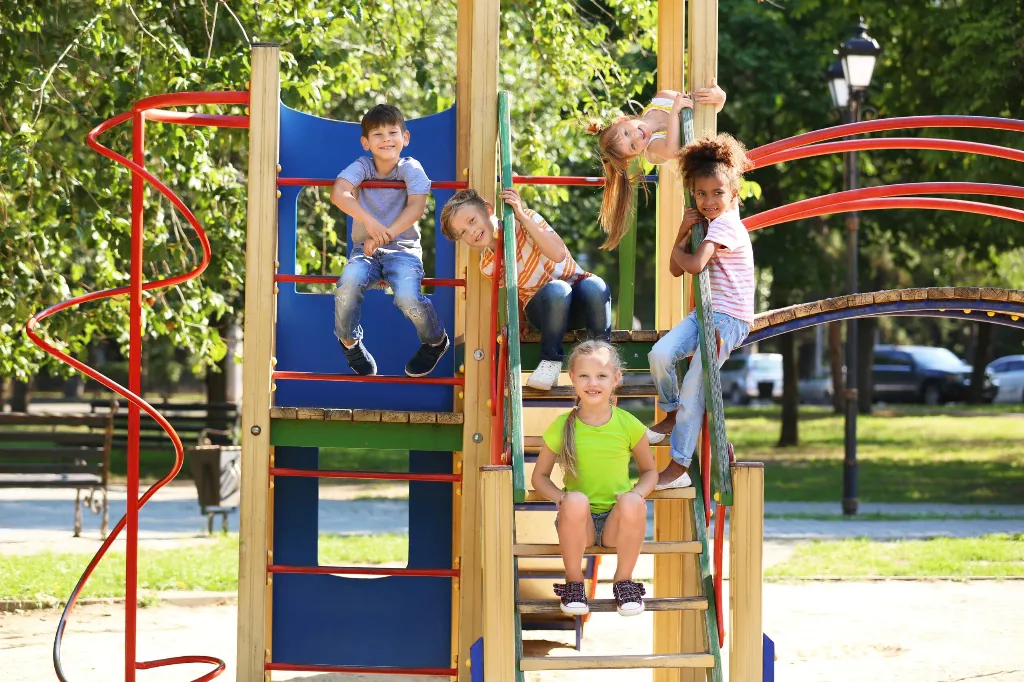
 Good supervision keeps children safe and helps them learn. This article is for child care providers and directors who want simple, practical ways to supervise children all day indoors, outdoors, and during transitions. You’ll get clear steps you can teach your team, plus easy checklist ideas you can use right away. #supervision #childcare
Want a helpful printable-style resource to pair with this article? Start here: ChildCareEd's Active Supervision
What is adequate supervision and why does it matter?
Adequate supervision is more than “being in the room.” It means staff are actively watching and listening, staying close, and being ready to step in before a small problem becomes a big one.
Strong supervision helps children:
-
stay safe from injuries
-
feel secure and supported
-
play longer without conflict
-
learn better because routines stay calm
What does adequate supervision look like in real life?
Here are the key parts, in simple words:
-
👀 See and hear every child.
Staff stand where they can see the whole group and avoid blind spots.
-
🔁 Count children often.
Count at transitions, doorways, and anytime your group moves.
-
👂 Listen closely.
Changes in sound (crying, yelling, sudden silence) can signal trouble.
-
🔎 Predict risk.
Know which spaces and moments cause problems (bathroom line, cubbies, climbing).
-
🚶 Move with purpose.
Supervision is active—staff should shift positions as children move.
Good supervision lowers injury risk and helps children trust adults. When children feel safe, they can focus on learning and play.
For an overview of what active supervision looks like, see Effective Supervision in Early Childhood Education.
How should I set up space and staff so every child is visible?
Room setup is your first safety step. A great classroom can still have unsafe “hidden corners” if the layout blocks visibility.
Easy space setup steps
-
🪑 Keep furniture low when possible.
Low shelves = better sightlines.
-
🚪 Clear the “traffic areas.”
Make sure adults can move quickly to bathrooms, doors, and exits.
-
🧸 Create clear zones.
Separate active areas (blocks) from calm areas (books) to reduce crashes and conflicts.
-
🧭 Mark boundaries.
Tape lines, signs, or rugs can show children where areas begin and end.
Easy staffing placement steps
-
📍 Place adults, don’t “float.”
Assign staff a clear starting spot where they can see the most children.
-
👥 Use zone coverage.
One adult watches one main zone; another watches a second zone. (No overlap gaps.)
-
🔄 Move when children move.
Adults should shift positions during high-risk times (transitions, outdoor play).
Tip: Mixed age Buy Now $0.00 rooms need extra planning. Toddlers need closer reach; older children need safe space to explore.
ChildCareEd offers helpful environment and placement ideas in their guides like Six Strategies for Active Supervision Buy Now $0.00.
What daily routines and habits help staff spot problems early?
Good supervision works best when it becomes a habit—like washing hands or checking attendance.
Simple daily supervision habits
-
👁️ Scan often.
Teach staff to sweep the room with their eyes every few minutes.
-
🔢 Count at the same moments every day.
Example: “Count before we leave, count when we arrive, count after we line up.”
-
👂 Pause and listen.
Adults should notice tone changes (too quiet or too loud).
-
🧭 Rotate positions during the day.
This prevents “same blind spot, same problem.”
-
📋 Use a quick checklist.
Post a reminder near the door or attendance clipboard.
To support these habits, use this ChildCareEd resource as a staff refresher:
Practical Supervision Strategies Buy Now $0.00
How do we supervise mixed ages and avoid common mistakes?
Mixed ages can work well but only with clear planning. Younger children need close supervision and help with safe play.
Common mistakes and easy fixes
❗ Relying on one adult to watch everyone
✅ Fix: Use zones and make sure each zone has coverage.
❗ Standing in one spot too long
✅ Fix: Rotate positions, especially during high movement.
❗ Using phones or doing paperwork while supervising
✅ Fix: Schedule paperwork away from active supervision time.
❗ Skipping a transition plan
✅ Fix: Use short routines (line up → count → move → count again).
Practical mixed-age tactics
-
Assign a lead for each zone and a floater for transitions.
-
Use small groups so adults can focus on fewer children at once.
-
Keep climbing/rough play in one supervised area with clear rules.
Conclusion
Adequate supervision is a skill your team can learn and improve. When staff plan the room, use routines, and avoid common mistakes, children stay safer and the whole day runs better. #ECE
Strong next steps:
FAQ
Q: How often should staff count?
A: At every transition, doorway, and when moving groups.
Q: Can one adult supervise outdoors?
A: It depends on group size, ages, and state rules but mixed ages usually need team coverage.
Q: What if we are short-staffed?
A: Reduce group size, tighten zones, and get support/sub coverage when possible state rules apply.
