What does “safe sleep” mean for babies and young toddlers?
Safe sleep denotes the purposeful design and continuous maintenance of an infant's sleep environment to reduce sleep-related injury and mortality. In licensed child-care settings, reliable safe-sleep implementation depends on programwide adoption of evidence-based policies, structured competency development and assessment for staff, and consistent enforcement with clear documentation to preserve implementation fidelity. For in-depth staff training that supports those elements, see Safe Sleep Training  Buy Now $16.00 and Prevention of Sudden Infant Death Syndrome and Use of Safe Sleep Practices Buy Now $8.00.
A simple way to remember the basics is the ABC rule:
- A = Alone (no loose items in the sleep space)
- B = Back (place baby on their back to sleep)
- C = Crib (a safe crib or approved sleep space)
What is the safest sleep setup for infants in child care?
Here is a safe, easy checklist. You can post it in your infant's room and review it with #staff.
A safe sleep space should be:
- Flat and firm (a tight, fitted sheet on a firm mattress)
- In a crib or approved #play yard that meets #safety rules
- Free of loose items, including:
- Blankets
- Pillows
- Bumper pads
- Stuffed animals
- Positioners or wedges
- Placed on the baby’s back for sleep (unless a doctor gives a written medical note)
For a printable reminder, use this #free ChildCareEd resource: Safe Sleep in Child Care poster Buy Now $0.00
What should babies wear for safe sleep (and what should they NOT wear)?
Many sleep problems happen because babies are dressed in ways that can block breathing or cause overheating.
Safer options include:
- A one-piece sleeper (footie pajamas)
- A wearable blanket/sleep sack (no loose blanket needed)
Common clothing mistakes to avoid:
- Hats during sleep (can #lead to overheating)
- Loose swaddles (if swaddling is allowed, it must be tight at the chest and hips should move #freely)
- Too many layers (overheating is a risk)
A simple rule: dress the baby in one more light layer than an adult would wear in the same room.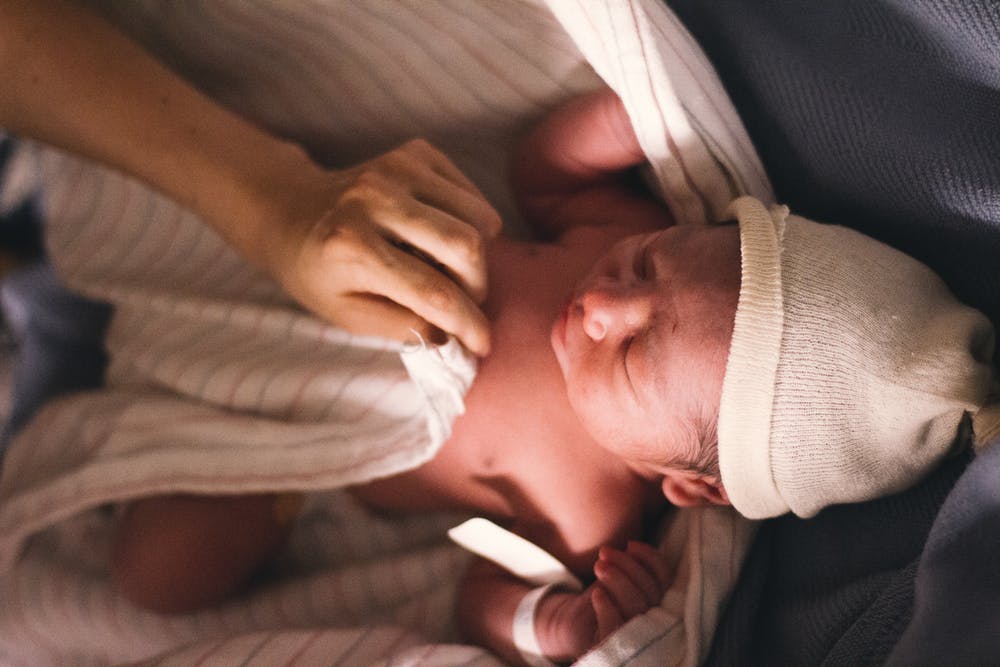
These mistakes are common because they feel “helpful” in the moment. But they raise risk.
Avoid these unsafe practices:
- Adding a blanket “just in case.”
If a baby seems cold, use a sleep sack instead. - Using pillows, bumpers, or stuffed animals
Soft items can cover a baby’s face. - Letting babies sleep in swings, bouncers, or car seats (outside the car)
These positions can cause the head to fall forward and block airflow. - Using inclined sleepers or wedge devices
Babies should sleep on a flat surface. - Putting a baby to sleep on the tummy
Babies should be placed on the back for sleep. - Bed-sharing or couch sleeping
These are especially dangerous for infants. - Propping bottles
This can be a choking risk and is not safe supervision.
If you want a deeper explanation of why these steps matter, this related ChildCareEd article is a helpful read: The Role of Safe Sleep Practices in Reducing SIDS Risk
If you want a deeper explanation of why these steps matter, this related ChildCareEd article is a helpful read: The Role of Safe Sleep Practices in Reducing SIDS Risk
How should caregivers supervise babies during sleep in child care?
Safe sleep is not only about the sleep surface; it also requires deliberate, active supervision and clear procedures that staff understand and follow. Supervision practices should ensure ongoing visual assessment, documentation where required by licensing, and a rapid, pre-defined response if a baby appears unwell or is in an unsafe position.
Helpful child care habits include:
- Keep cribs in clear view
- Do regular visual checks during naps (follow your program and licensing rules)
- Look for:
- Normal breathing and color
- Safe position (placed on back)
- No items added to the crib
- Document sleep checks if your center requires it
- Make sure staff know the plan if a baby has a medical note for a different sleep position
If a baby rolls over during sleep: place the baby on their back at the start of sleep. If the infant rolls independently after that and can roll both ways, you do not need to reposition them repeatedly; instead, ensure the sleep space remains empty and firm so rolling does not increase risk.
Safer soothing strategies that preserve a clear sleep environment include a short, consistent pre-nap routine, gentle patting while the infant remains supine, white noise at a safe volume (if permitted), and offering a pacifier per family preference. Avoid "quiet fixes" such as adding blankets or moving the infant to a swing.
Quick sleep-check checklist (before, during, after):
- Before: Baby is on their back; crib is empty; mattress is firm with a fitted sheet; baby dressed in a sleep sack or sleeper; room temperature comfortable.
- During: Visual checks on schedule; do not change position using extra items; move baby to a crib if they fall asleep in a device.
- After: Clean and sanitize per program rules; share notes with families about sleep length, mood, and feeding times.
What should you tell families about safe sleep rules?
Families may do things at #home that are different from child care rules. Your job is not to judge. Your job is to keep babies safe and follow licensing and best practices.
A #respectful way to say it:
- “In our program, we follow safe sleep rules every time. We place babies on their backs, in an empty crib, on a firm mattress.”
If a family requests tummy sleeping or extra items in the crib, use a calm script:
For programs wanting to better support and respectfully engage families of children with developmental differences, including Down syndrome, see Down Syndrome Awareness Month for ideas on family-centered communication and celebration.
- “I understand that’s what you prefer at home. In child care, we can only use an alternate sleep position if we have a doctor’s written note.”
Where can you #learn more (and stay connected)?
If you want more support for safe infant care and #classroom-safety, these ChildCareEd courses are directly related and listed on the course catalog:
- Safe Sleep Training Buy Now $16.00
- Prevention of Sudden Infant Death Syndrome and Use of Safe Sleep Practices Buy Now $8.00
- SIDS: Saving Babies: A Change of Position, A Change in Tradition Buy Now $29.00
Related ChildCareEd articles for program leaders and infant teachers:
- How can Safe Sleep Training help childcare providers keep babies safe?
- What is SIDS prevention training and how can childcare providers use it?
- How can child care providers consistently implement safe sleep practices?
- How can childcare programs reliably prevent SIDS during infant care?
- 45-Hour Infant and Toddler Course: Training, Requirements, and Tips
For quick tips and reminders, follow ChildCareEd on Facebook and share posts with your team:
Safe sleep is not about doing “perfect.” It’s about doing the safe basics every time, even on busy days. That consistency helps protect babies and builds trust with families.
What should caregivers remember about safe sleep?
The consistent enactment of the ABCs—Alone, Back, Crib—within codified program procedures, ongoing staff competency development, systematic documentation of sleep observations, and transparent family communication demonstrably reduces sleep-related risk and reinforces professional accountability. Programs should institutionalize succinct checklists, periodic competency assessments, scheduled refresher training, and written family agreements so that safe sleep practices become the programmatic default rather than ad hoc responses. Integrate these elements into quality-assurance and incident-review processes to sustain continuous improvement. #safesleep #SIDS #infantcare #staff #safety
What are the key takeaways and next steps?
Summary: Prioritize the ABCs—Alone, Back, Crib—by codifying them in written policies, standardized nap-check routines, documented staff competency development, and transparent family communication. Operationalize these elements through succinct checklists, scheduled refresher training and periodic competency assessments, and written family agreements so that safe sleep practices become the programmatic default rather than ad hoc responses. Actionable next steps (numbered for clarity): 1) Post the crib checklist in infant rooms and review it at staff huddles; 2) Schedule quarterly refresher training and competency assessments for all infant-care staff; 3) Require a physician's written note for any alternate sleep position and document the medical rationale; 4) Use sleep-check logs for routine audits, integrate findings into incident review, and track improvements through your quality-assurance process. These measures create predictable compliance, reduce sleep-related risk, and provide clear, documented evidence of program oversight.
- Help Me Sleep Safely: SIDS/SUID Prevention
- Reducing the Risk of Sudden Infant Death Syndrome
- SIDS: Saving Babies: A Change of Position, A Change in Tradition
- Basic Health & Safety and Breastfeeding Awareness
- CDA Infants/Toddlers: Health and Safety
- CDA Infants/Toddlers: Abuse and Neglect Reporting Requisites
- CDA Infants/Toddlers: Classroom Setup
- Safe Sleep Training
- Prevention of Sudden Infant Death Syndrome and Use of Safe Sleep Practices
- CDA Infants/Toddlers: Smart Nutrition & Feeding
- Safe sleep basics (and common mistakes to avoid)
- SIDS Science: What Every Parent Needs to Know About Safe Sleep
- Recursos en Español sobre el Sueño Seguro del Bebé
- Capacitación en Salud y Seguridad Preventiva en Línea para Proveedores de Cuidado Infantil
- Cómo Ser Maestra de Preescolar en Dakota del Norte
- How can Oklahoma child care programs use daily routines to stay safe and compliant?
- How do I start a daycare in Washington, D.C. as a new provider?
- What should new daycare providers in California know before opening their first child care program?
- How can California child care providers create safer classrooms for infants, toddlers, and preschoolers?
- How can Safe Sleep Training help childcare providers keep babies safe?
- What are the supervision basics for child care in Oklahoma?
- What are the supervision basics for child care in Pennsylvania?
- What are the supervision basics for child care programs in New York?
- What are the basic child care safety standards we must follow?
- How Do We Keep Infants Safe in the Classroom?
- What is the best infant care training for child care providers?
- How can Oklahoma providers turn cribs into confident infant care during the state's child care access push?
- How can safe sleep training help child care providers keep babies safe?
- Utah Home Daycare Standards: What Providers Need to Know
- What Should Substitutes Demonstrate Before Supervising Infant Sleep?
