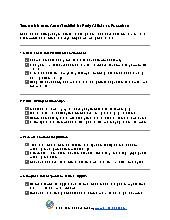
A Trauma-Informed Care Checklist for Early Childhood Educators serves as a vital tool to help educators recognize and respond to the effects of trauma on young children. This checklist includes strategies for creating a safe and supportive environment, fostering strong relationships, and implementing developmentally appropriate practices that promote resilience. By utilizing this checklist, educators can better understand the unique needs of traumatized children and enhance their overall well-being and learning experiences. #developmentally-appropriate-practice #developmentally-appropriate-practices #early-childhood-educator #early#developmentally
Understanding trauma is essential for creating safe, supportive environments for young children. This course equips child care providers with the knowledge to d...
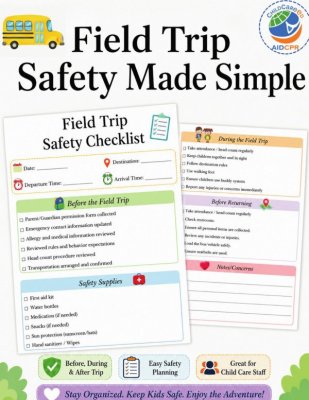
Make every field trip safer and easier! This handy checklist helps educators stay organized before, during, and after the trip with important safety reminders all in one place.
#FieldTripSafety ... Read more
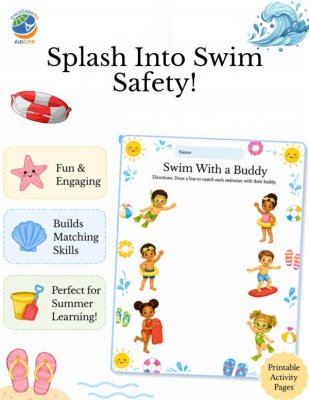
Make swim safety fun! Children match each swimmer with their buddy while building visual matching skills and reinforcing the importance of swimming with a friend.
#SwimSafety #SummerActivities #Ma... Read more
Support healthy sleep habits with this practical early childhood resource on safe sleep and bedtime routines. It explains how sleep supports children’s growth, learning, attention, and emotional ... Read more
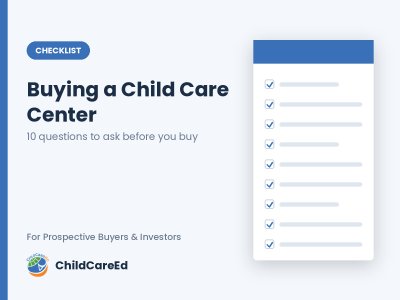
Before buying a child care center, ask to review licensing and inspection records, accreditation status, capacity and enrollment trends, financial statements (profit & loss, balance sheet, tax retu... Read more
A helpful application packet for anyone applying to open a Family Child Care Home in California. Includes step-by-step instructions and key information to complete the licensing paperwork accuratel... Read more
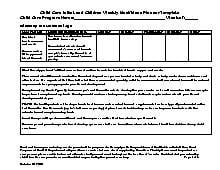
The Child Care Infant and Children Weekly Meal/Menu Planner Template provides a structured weekly layout to plan nutritious breakfasts, lunches, snacks, and bottle/breastfeeding schedules for infan... Read more
The child care workforce requires clearly defined qualifications such as minimum education levels, background checks, CPR/first aid and early childhood credentials or state licensing to ensure care... Read more
Bring color, music, movement, and creativity into your classroom with these fun Cinco de Mayo activities for children. This resource includes simple, age-appropriate ideas for all ages with easy di... Read more
Dopamine is a key neurotransmitter in children’s developing brains that helps regulate reward, motivation, attention, and motor control. Proper dopamine signaling supports learning, goal-directed... Read more
A useful resource for helping children and families navigate changes in early learning and care settings. This PDF offers guidance for supporting smoother transitions, strengthening family communic... Read more
Learn how child care programs can support inclusion and equal access for children with disabilities. This ADA resource explains individualized assessment, reasonable modifications, accessible commu... Read more
A helpful resource for child care providers who need organized forms and information for enrolling children in care. This packet can support smoother communication with families, help collect impor... Read more
Fostering healthy social and emotional development in young children begins with warm, responsive relationships that provide consistent routines, clear boundaries, and a sense of safety. Caregivers... Read more
The Georgia In-Home Daycare: Family Child Care Learning Home Applicant Guide is the official DECAL resource that explains how to apply to operate a licensed family child care learning home in Georg... Read more
Children can learn about Hajj through age-appropriate storytelling and role-play that introduce rituals like Ihram, Tawaf, Sa'i, and the standing at Arafat in simple, meaningful ways. These classro... Read more
A helpful guide for understanding important training topics in early childhood education. This resource covers key areas like safe sleep, emergency preparedness, medication administration, infectio... Read more
Starting a daycare with “no money” usually means lowering upfront costs by using funding options, donated resources, shared space, and phased purchasing. This guide walks you through realistic ... Read more
If you have no childcare experience, emphasize transferable skills like patience, communication, reliability, and any informal experience (babysitting, tutoring, volunteering) when applying for ent... Read more
This quick-reference resource explains CACFP infant meal patterns for birth through 11 months. It helps providers understand what to serve at meals and snacks and when infants may be developmentall... Read more
This quick-reference chart breaks down Maryland child care center staffing requirements in an easy-to-scan format. It’s especially helpful for directors and hiring teams because it summarizes com... Read more