Individualized learning is a process of planning and implementing learning experiences that are responsive to each child's interests, strengths, and needs. For practical professional development, consider Planning for Every Child: Responsive Strategies in Action  Buy Now $55.00 and CDA Infants/Toddlers: Individualized Learning and Inclusion Buy Now $16.00, designed to help early childhood professionals translate observation into measurable goals. This article explains what individualized learning looks like in early childhood settings, how New Hampshire guidance applies to individualized supports for children with special needs, and concrete steps teachers can take to assess, plan, and monitor individualized learning for each child.
What is individualized learning and why does it matter in early childhood?
Individualized learning prioritizes an evidence-based, child-centered plan that aligns assessment and instruction to one child’s developmental profile, strengths, and family context. It differs from group-level differentiation by producing specific, measurable learning goals for individual children and a systematic monitoring plan. High-quality individualized practice begins with repeated, objective observations across routines and contexts, brief formative assessments, and the translation of those data into targeted, scaffolded strategies.
Strategies rooted in individualized approaches—sometimes described in clinical and educational-therapy literature—use an assess-plan-implement-monitor-revise cycle to address cognitive, behavioral, language, and social-emotional barriers to learning. For an accessible overview of this approach and assessment methods, see the educational-therapy overview (educational therapy and how it works).
Begin by documenting observable behaviors or skill samples over several days, then convert those observations into a measurable goal statement with criteria for success (frequency, duration, or accuracy). For hands-on guidance on turning observations into goals, see How do I create meaningful individual learning goals for young children?
Who benefits from individualized learning and what strategies help each child?
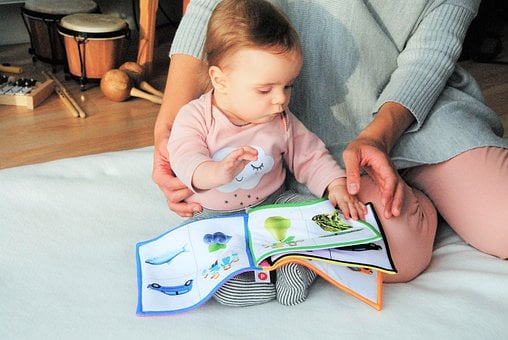
Individualized learning benefits a broad range of children, including (but not limited to) children with identified disabilities, those with challenging behaviors, dual language learners (DLLs), children who need enrichment, and those who are quiet or socially reserved. Recommended, evidence-informed strategies vary by need but share common design elements: focused assessment, family partnership, targeted scaffolds, and repeated progress monitoring.
Examples and related resources:
- Challenging behaviors: use function-based observation, design predictable routines, and teach replacement skills. Practical behavior strategies and ideas appear in articles such as Terrible Two's Can Be Terribly Fun!.
- Dual language learners: document home language use, incorporate children’s cultural context, and provide language scaffolds (see How can Minnesota child care settings support Dual Language Learners? for approaches you can adapt).
- Quiet children or children who need encouragement: offer choice-rich small-group invitations and scaffolds to support participation (supporting the quiet child).
- Enrichment and challenge: create extension activities and open-ended provocations (see Using everyday materials for STEM exploration).
Assessment drives planning: consider the Preschool Assessments & Observations Buy Now $24.00 course to improve your observation toolkit and reliably identify individual needs. Each example above links to a relevant childcareed.com article that provides classroom strategies you can implement immediately.
What does New Hampshire require or recommend for individualized supports?
Providers in New Hampshire should align individualized supports with state guidance for children with disabilities and with licensing expectations for training. For children with identified disabilities, Individualized Education Programs (IEPs) and accommodations are established through the state's special education rules and IDEA implementation (see Ed 1100-1124 for New Hampshire's rules on individualized education and accommodations). Ed 1100 clarifies the role of individualized education planning and accommodations that do not compromise the validity of instruction or assessment; early childhood providers should coordinate with families and local education agencies when a child is receiving special education services.
H&H Child Care Training courses have been accepted toward New Hampshire professional development hours in the past; programs and individual providers should verify current acceptance with the New Hampshire Office of Operations Support, Child Care Licensing Unit. For practice-level training on designing supports and monitoring progress, consider provider courses such as Individual Needs & IEPs for School Age Buy Now $16.00 and the previously mentioned inclusion courses.
H & H Child Care Training Courses grant .2 CEUs or more as well as awarding state approved clock hours of 2 or more for all childcare centers, and family childcare providers.
To see a full list of classes H&H Child Care Training has accepted in New Hampshire, please visit our website at www.childcareed.com and schedule your next training today!
What are the key takeaways for implementing individualized learning in New Hampshire?
Start with routine observations and translate them into one clear, measurable goal per child. Embed brief progress probes into everyday routines so monitoring becomes sustainable. Partner with families and, when children receive special education, coordinate with the local education agency to align supports with the child's IEP. Use targeted professional development to build staff skills in assessment and data-based decision making.
These steps help ensure supports are legal, documented, and effective while keeping the classroom responsive to each child's context and strengths. For classroom-ready techniques, return to the practical strategies and courses referenced above as you plan next steps.
Focus areas: individualized planning, IEP coordination, inclusion, assessment, and support for dual language learners. #individualized #IEP #inclusion #assessment #DLL
- Planning for Every Child: Responsive Strategies in Action
- Children at the Wheel: Emergent Curriculum
- CDA Bridge Bundle: Family Child Care without Portfolio Review
- CDA Bridge Bundle: Infant/Toddler without Portfolio Review
- CDA Bridge Bundle: Preschool without Portfolio Review
- Creating Engaging and Meaningful Learning Experiences
- CDA Infants/Toddlers: Stages of Development
- CDA Infants/Toddlers: Smart Nutrition & Feeding
- CDA Home Visitor Subject Area 8 Part 1 Birth to 5
- Shoo, Germs! Don't Bother Me!
- From Challenges to Triumphs: Strategies for Childcare Educators in New York
- 🌟Guiding with Purpose: How Directors & Administrators Lead Early Learning in New Hampshire
- 🧩 ¿Cómo puedes hacer que tu aula sea más inclusiva para los niños con autismo?
- 🩺 Cumplimiento de Salud e Inmunización en Cuidado Infantil de Nevada ✔️
- ¿Cómo incluir a niños con necesidades especiales en cuidado infantil? Guía práctica y sencilla
- Horas de Capacitación Anual para Proveedores de Cuidado Infantil en Maryland
- Actividades de Otoño Fáciles para Preescolares esta Temporada
- Cómo Ser Maestra de Preescolar en Georgia
- Requisitos para Guarderías en Casa en Georgia
- What new child care news in Alabama should providers know and how can training help?
- Toddler Classroom Schedule: A Full-Day Example from Drop-Off to Pick-Up
- Childcare Director Certification: Does Completing a Course Make You a Licensed Director?
- Training for Preschool Teachers: What Should You Take After You Meet the Minimum Requirements?
- ¿Todos los niños deben participar en el tiempo de círculo?
- How Should You Respond When a Family Feels Their Baby’s Routine Is Being Ignored?
- How Can You Plan Staff Training That Engages Experienced Child Care Teachers?
- How Can You Welcome a Family Who Joins Child Care Midyear?
