People all experience and learn about the world differently, and this is especially true of children. Educators need to be aware of the different learning styles and how to plan instruction around them. For practical strategies and professional development, consider the courses Play, Learn, Grow  Buy Now $16.00 and Planning for Every Child: Responsive Strategies in Action Buy Now $55.00, which offer evidence-informed approaches to differentiate instruction.
Learning styles and preferences take on a variety of forms. Most learners align with the following styles:
- Visual
- Auditory
- Kinesthetic
What does research say about the effectiveness of learning-style matching?
Large, methodologically rigorous reviews conclude that the simple practice of matching instruction to a learner's self-reported style (visual, auditory, kinesthetic) has not been shown to produce reliably better learning outcomes. A major synthesis published in Psychological Science in the Public Interest noted that many studies supporting learning-style claims fail to meet rigorous experimental standards; the best-quality evidence does not validate the hypothesis that tailoring modality to preference improves retention or transfer. (Psychological Science summary). Practitioner-oriented reviews trace the VARK origins and observe that preferences exist but instructional matching demonstrates limited effectiveness in controlled studies.
How should educators use that evidence to inform classroom practice?
Given the limited empirical support for the matching hypothesis, early childhood educators should design lessons that are multimodal and scaffold cognitive processes rather than rely on a single presumed preference. Multimodal instruction supports encoding through multiple representational formats, increases opportunities for retrieval, and lowers access barriers for children with diverse linguistic and cultural backgrounds.
What concrete strategies support diverse learners in preschool and kindergarten?
Evidence-informed, classroom-ready strategies include: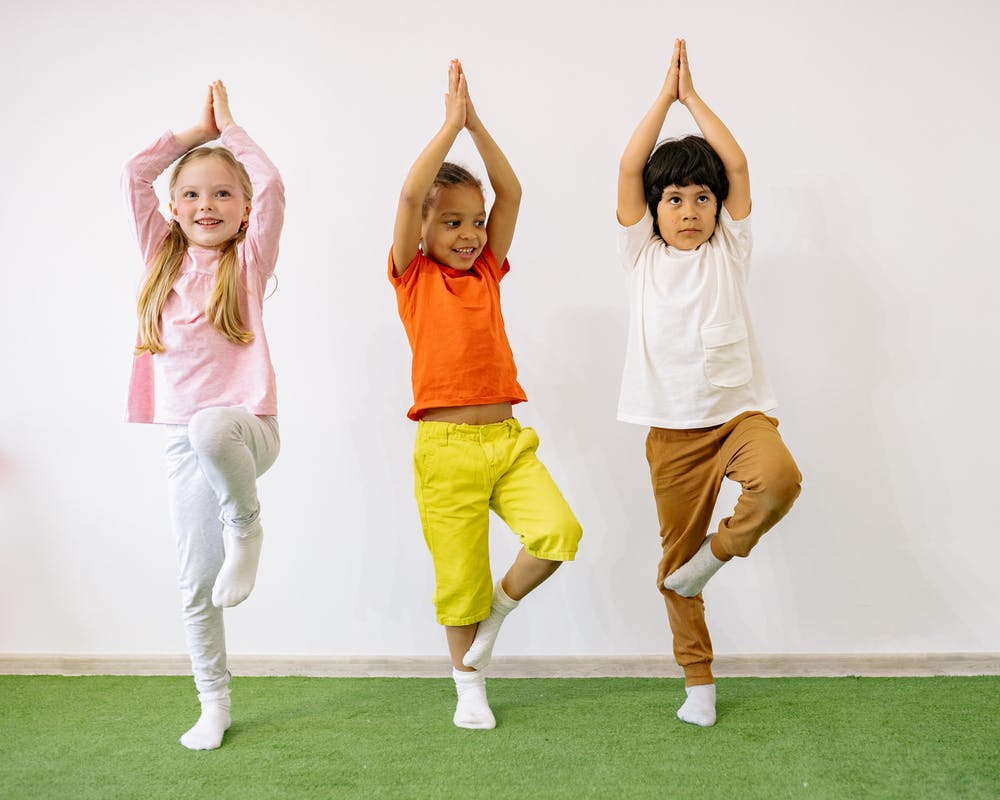
- Design multimodal routines: combine picture schedules and gestures with narrated routines so children can pair visual, verbal, and kinesthetic cues.
- Differentiate entry points: provide multiple ways to engage with the same objective (dramatic play, drawing/visual representation, or a short discussion) so learners approach the goal from different strengths.
- Scaffold vocabulary and concepts: pre-teach target words with images and gestures, model sentence frames, and provide small-group practice to build expressive and receptive language.
- Embed movement and manipulatives: integrate gross- and fine-motor activities to reinforce concepts (e.g., counting with physical objects, acting out narrative sequences).
- Use formative observation: collect brief work samples, dictations, and anecdotal records to guide planning rather than relying on self-report 'style' labels.
For curriculum planning that operationalizes these strategies, see the childcareed course Planning for Every Child: Responsive Strategies in Action Buy Now $55.00 and the course Creating Engaging and Meaningful Learning Experiences Buy Now $55.00.
How do we assess children's learning preferences and growth?
Assessment in early childhood is most effective when it is authentic, ongoing, and context-informed. Use brief observational notes, work samples, and family interviews to document how a child engages with materials and peers. Calibration across the program (shared observation forms, team review of samples) helps ensure reliable interpretation. See How Teachers Support Children’s Growth and Development for approaches to align assessment with instruction and How Can We Support the Quiet Child's Strengths for strategies to observe less-verbal learners.
What activities support visual, auditory, and kinesthetic engagement?
Activity examples that integrate multiple modalities:
- Visual: Picture-sort centers, labelled learning areas, illustrated story maps. (See What Is Visual Learning….)
- Auditory: Rhythmic read-alouds, call-and-response songs, structured turn-taking discussions. For the pedagogical benefits of repetition and oral language routines, see Why Is Repeating Favorite Books So Valuable….
- Kinesthetic: Open-ended art, manipulatives, and project-based investigations that let children ‘do’ as they learn. See Why Open-Ended Art Matters… and How can I use STEM activities….
How can teachers turn these ideas into daily practice?
Plan each learning objective with at least two modalities in mind, use short formative checks (picture exit slips, one-minute retell) to confirm understanding, rotate center emphases to refresh exposure, and share approaches with families to reinforce multimodal learning at home.
It is important to determine how a child learns best so they are able to connect with the topics you’re teaching, as well as participate with the rest of the class.
Related articles: How Teachers Support Children’s Growth and Development | How Can We Support the Quiet Child's Strengths | What Is Visual Learning… | Why Open-Ended Art Matters… | How can I use STEM activities… | Why Is Repeating Favorite Books…
Interested in learning more about Learning Styles and how to support them in the classroom? Visit H&H Child Care Training Center and register for one of these courses today.
Are learning styles valid for preschool and kindergarten children?
Short answer: children may show modality preferences, but rigorous research does not support teaching exclusively in a matched modality as a reliable way to improve learning outcomes. Large methodologically rigorous reviews conclude that the common practice of matching instruction to a child's self-reported style (visual, auditory, kinesthetic) has not been shown to produce consistently better retention or transfer of learning. The major synthesis summarized by the Association for Psychological Science provides a clear overview of these limitations (Psychological Science summary), and practitioner summaries trace VARK origins while cautioning against overreliance on matching (WGU summary).
What to do instead: prioritize universal design and multimodal routines that simultaneously support visual, auditory, and kinesthetic access. Practical steps classroom teams can adopt this week include:
- Plan objectives with two complementary modalities (for example, a picture-based prompt plus a short movement routine that reinforces the same concept).
- Use brief, authentic formative checks (picture exit slips, one-minute retell) to see whether the concept transferred, not to label a child with a single "style."
- Document patterns across contexts (observation notes, family input, and work samples) and adapt supports — for example, pairing gestures with vocabulary for a child who benefits from gesture-mediated encoding.
For teams seeking structured curriculum guidance that integrates multimodal scaffolds and responsive planning, the course "From Play to Planning: Building Culturally Competent, Child-Centered Curriculum" offers concrete ways to operationalize these practices in lesson plans and routines. Register for practical tools and templates: From Play to Planning Buy Now $55.00.
This approach balances respect for individual engagement patterns with teaching practices that are evidence-aligned, maximizing access and depth of learning for young children. (References: Psychological Science summary; WGU summary.)
Summary: What should educators take away?
Contemporary evidence cautions against rigidly grouping children by a single 'learning style' and teaching only in that modality. Instead, embed multimodal design, scaffold language and concept development, use authentic observation to guide instruction, and provide multiple ways to demonstrate learning. These practices increase access and foster deeper learning for young children. For professional development that operationalizes these practices, consider the courses linked above.
Use these quick implementation prompts in your next planning cycle: design each objective with two or more modalities, add one movement-based reinforcement to each week’s lesson, and document one formative sample per child each week to guide next steps.
- CDA Home Visitor Subject Area 3 Part 3 Birth to 5
- Planning for Every Child: Responsive Strategies in Action
- 45-Hour Infant and Toddler Curriculum
- Play, Learn, Grow
- Key Elements of an After School Program
- Texas Director Credential
- CDA Infants/Toddlers: Brain Development and Gene Expression
- CDA Infants/Toddlers: Stages of Development
- Enhancing STEM Education for Infants and Toddlers
- Families, Communities, and Classrooms: Working Together for Children
- CDA Certification en Español: Recursos y Consejos para Educadores Bilingües
- Boosting Language Through Play
- ¿Cuál es la Diferencia Entre la Crianza Respetuosa y la Crianza Permisiva?
- Ejemplos de Crianza Respetuosa vs. Crianza Permisiva
- Por Qué la Supervisión Activa Es Clave para la Seguridad en el Cuidado Infantil
- What Is Visual Learning and How Can New York Child Care Providers Use It With Toddlers?
- Canciones, juegos y preguntas de círculo para niños
- How can I build a daily music routine that calms and focuses children?
- What Does Ms. Rachel Get Right About Talking to Babies and Toddlers?
- When Is Repetitive Speech Typical—and When Should Teachers Pay Closer Attention?
- How Can Picture Task Cards Support Emerging Readers?
- How Can Child Care Providers Use Learning Styles Responsibly in Early Childhood Classrooms?
- What Makes Task Cards a Great Tool for Mixed-Age Classrooms?
- How Can We Build an Emotion Vocabulary Children Can Actually Use?
- How Can You Audit Classroom Materials Against Your Actual Curriculum?
- How Can Child Care Providers Look Beyond Support Needs to See a Child’s Interests and Strengths?
- How Can Educators Invite Children to Revise a Story They Told Earlier?
- How Can Educators Document a Child’s Story Through Sounds, Gestures, and Movement?
- How Can November Outdoor Activities Help Children Explore and Appreciate Nature?
- How Can Predictable Routines Support Children With Developmental Differences?
