Memorial Day is a U.S. observance honoring people who died while serving in the military. In early childhood education (ECE), educators can introduce its significance through developmentally appropriate conversations about remembrance, community, and care. Maintain a clear distinction between the holiday's purpose and a general celebration of community helpers.
Explaining Memorial Day to young children calls for sensitivity and developmentally appropriate language. Educators can acknowledge loss without presenting the holiday as a celebration, offer a concise factual explanation, and respond calmly to children's questions. The activities below invite children to explore remembrance and community while recognizing that family experiences and traditions differ.
How Can I Teach Children About Memorial Day Symbols?
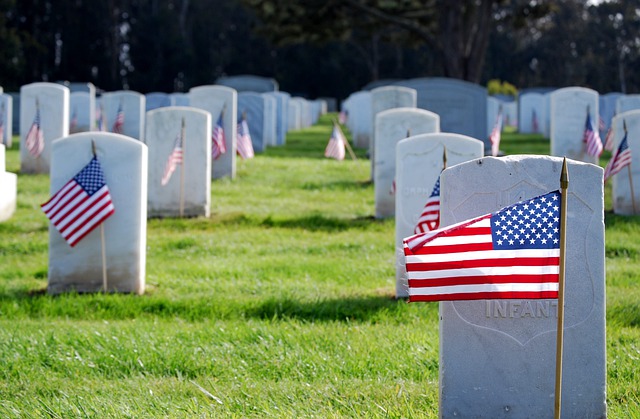
Young children can investigate Memorial Day symbols through observation and hands-on experiences tailored to their developmental abilities and individual learning needs. The U.S. flag has red and white stripes and white stars on a blue field. Some people use the red poppy as a symbol of remembrance, although observances and family traditions differ.
- Flag Discovery: Show the children a real flag. Let them touch the fabric. Count the stripes together. You might explain that the flag is a national symbol, while emphasizing that Memorial Day honors people who died while serving in the military.
- The Poppy Flower: Some people use a red poppy as a symbol of remembrance. You might explain, "Some people use this flower to remember those who died while serving in the military."
To learn more about how to use art to teach these ideas, check out the course Power of Art: Building Self-Esteem & Positive Behavior  Buy Now $24.00. It helps you use art to reach children of all abilities.
What Are Some Fun Memorial Day Art Activities?
Creative art experiences can foster self-expression, experimentation, and decision-making. Adapt each activity to children's developmental abilities, sensory preferences, and fine- and gross-motor skills. For additional approaches to supporting creativity through open-ended art, see our related guidance. To explore strategies for fostering social learning and a caring classroom community, consider Supporting Social Learning: Creating Classrooms that Care Buy Now $24.00. Course participation supports professional learning; confirm with your employer or relevant registry whether it applies to a specific requirement.
Handprint Poppy Garden
- Give each child a piece of white paper.
- Help them dip their hand in red paint and press it on the paper. This makes the "petals."
- Let them use their thumb to make a black dot in the middle.
- Draw a green stem at the bottom.
- Hang these on the wall to make a "Thank You Garden."
Red, White, and Blue Sparkle Bottles
- Find empty plastic water bottles.
- Fill them with water and a little bit of clear glue.
- Add red, white, and blue glitter or stars.
- Seal the lid tight with tape.
- Children can shake the bottles and watch the colors dance. This is very calming!
For more ideas about encouraging creativity in early childhood education, see our related article.
Can We Have a Memorial Day Parade?
A classroom parade can provide a structured opportunity for children to move, make music, and practice cooperation. Adapt the route and instruments to accommodate each child's mobility, sensory preferences, and communication style. For related ideas, see open-ended preschool activities that support creativity, language, and social skills.
- Make Your Own Instruments: Use clean, empty oatmeal containers as drums. For children who are developmentally ready, make shakers with securely sealed containers and materials too large to present a choking hazard; otherwise, provide age-appropriate, commercially made instruments. Decorate the instruments with red and blue stickers.
- The Parade Route: March around the playground or the hallway. Play upbeat music.
- Movement Options: Invite children to march, walk, roll, or move in another comfortable way. Offering varied movement choices supports participation across mobility and sensory needs.
What Is a "Thank You" Sensory Bin?
A sensory bin provides tactile exploration of selected materials. For a Memorial Day activity, choose materials suited to children's developmental stages, supervise closely, and assess potential choking hazards. For further planning ideas, see Memorial Day crafts and activities for children.
- The Base: Use rice or pasta. You can dye it blue and red using food coloring and a little vinegar.
- The Treasures: Use large, age-appropriate objects that cannot be swallowed, such as oversized fabric stars or large toy figures. Avoid small items, and supervise children closely.
- The Play: Give the children scoops and cups. Ask them to "find the stars" or "help the people."
Using sensory bins is a great way to talk about community. You can find more resources on this topic here: ChildCareEd Resource: Memorial Day Activities for Children.
A discussion of Memorial Day can connect with broader social studies learning, but it is helpful to distinguish the holiday's purpose from lessons about community helpers. You can explore how different people contribute to a community while explaining that Memorial Day specifically honors people who died while serving in the military.
- Story Time: Read books about people who wear uniforms. Ask the kids, "Who helps you when you are hurt?"
- Sorting Game: Use pictures of different helpers and tools. Let children match the fire truck to the firefighter or the flag to the soldier.
If you want to get better at teaching these topics, try our course: One World, Many Cultures! Buy Now $25.00. It teaches how to respect and celebrate all kinds of people.
What Is the Best Way to Talk About "Remembering"?
The concept of "remembering" may be abstract for a four-year-old. You can make it more concrete by connecting it to familiar experiences and memories.
- Memory Circle: Ask children to share a happy memory of someone who helped them. Maybe a grandma made them soup or a teacher helped them tie their shoes.
- Peaceful Moment: Some observances include a moment of silence to remember people who died while serving in the military. You may offer a brief, voluntary quiet reflection, explaining its purpose in simple terms and allowing children to participate in a way that feels comfortable.
This brief activity offers children an opportunity to practice mindfulness and respectful reflection.
How Do I Involve Families in Memorial Day?
Family partnerships can inform holiday activities that respect children's experiences and household traditions. Invite, but do not require, family participation; avoid assuming that every family observes Memorial Day or has a military connection. For additional strategies, see inclusive ways to plan family celebrations in child care.
- A "Thank You" Board: Put a large piece of paper near the door. Ask parents to write the name of a hero in their family or a person they want to thank.
- Picnic Lunch: If the weather is nice, have a "Red, White, and Blue Picnic." Ask children to bring a piece of fruit that is red (like a strawberry) or blue (like a blueberry).
Conclusion and Helpful Links
Developmentally appropriate Memorial Day activities can help children consider remembrance, community, and care. Explain that the holiday honors people who died while serving in the U.S. military, distinguishing this purpose from expressions of appreciation for community helpers. Tailor discussion to children's questions, family experiences, and developmental readiness; reflective activities should be optional. Select a craft, story, or quiet reflection that supports children's expression, and invite families to share relevant traditions if they wish. These choices help educators maintain a respectful approach while fostering belonging and learning.
Follow us on Instagram! We post new ideas and fun videos every day to help you be the best teacher you can be. Click the link and hit "Follow" so you never miss a creative tip!
- 45 Hour Child Growth and Development
- 45 Hour Preschool Methods and Materials
- Teacher Mentoring in ECE
- 45 Hour Infant and Toddler Methods and Materials
- CDA Bridge Bundle: Family Child Care without Portfolio Review
- CDA Bridge Bundle: Infant/Toddler without Portfolio Review
- CDA Bridge Bundle: Preschool without Portfolio Review
- Creating Environments that Nurture Growth and Community
- Texas Director Credential
- Memorial Day Activities
- ¿Cuáles son las mejores actividades del Día de la Tierra para niños en casa o en el aula?
- ¿Cómo solicito la licencia para una guardería en California?
- Normas de Licenciamiento de Cuidado Infantil en Virginia para Centros Diurnos Infantiles y Hogares Diurnos Familiares
- Cómo Celebrar el Día Nacional del Kindergarten
- Lista para Guardería en Casa en Illinois: Cómo Iniciar una Guardería en el Hogar
- Lista para Guardería en Casa en California: Cómo Iniciar una Guardería en el Hogar
- Temas y Actividades para el Día Nacional del Kindergarten para Proveedores
- Cómo Trabajar en el Cuidado Infantil en California: Requisitos y Pasos
- Cómo Trabajar en el Cuidado Infantil en Virginia: Requisitos y Pasos
- Capacitación Previa al Servicio para Proveedores de Cuidado Infantil en Virginia
- Best Daycare Field Trip Ideas in Virginia
- Memorial Day Activities for Kids: Simple Ways to Honor the Day
- Teaching Kids About Memorial Day Through Crafts and Activities
- How can we bring a farmers market and fresh fruit activities to preschoolers in California?
- Celebrando la amistad en el cuidado infantil durante el Día de los Mejores Amigos
- Diversión fresca de verano: actividades del Día Nacional del Helado para niños
- How Can You Support a Grieving Child Who Seems Fine During Play?
- How Can Child Care Providers Support a Grieving Child During Their First Holiday Season?
