Use this hands-on project to connect measurement and fractions, vocabulary development, and creative expression. To help teachers translate the craft into intentional learning, see ChildCareEd courses such as Math Foundations in Early Childhood  Buy Now $16.00 and Children at the Wheel: Emergent Curriculum Buy Now $25.00, which cover early math integration and emergent curriculum strategies useful for planning, assessment, and differentiation.
- Following directions - #literacy and #listening
- Measuring ingredients - #Math; fractions and quantities
- Talking about what an asteroid is - science and comprehension
- Work with the group - #social-emotional skills
- Creating galaxy - #creativity and #fine-motor skills
Recipes and directions can be found on our social media pages. More activity suggestions can be found in the latest ChildCare Blog post. Check out NASA for basic asteroid information and facts: NASA Science Space Place Asteroid Page. For background on the significance of International Asteroid Day — including the Tunguska impact and why asteroid awareness matters — see our International Asteroid Day article.
How do I prepare this galaxy craft for different ages?
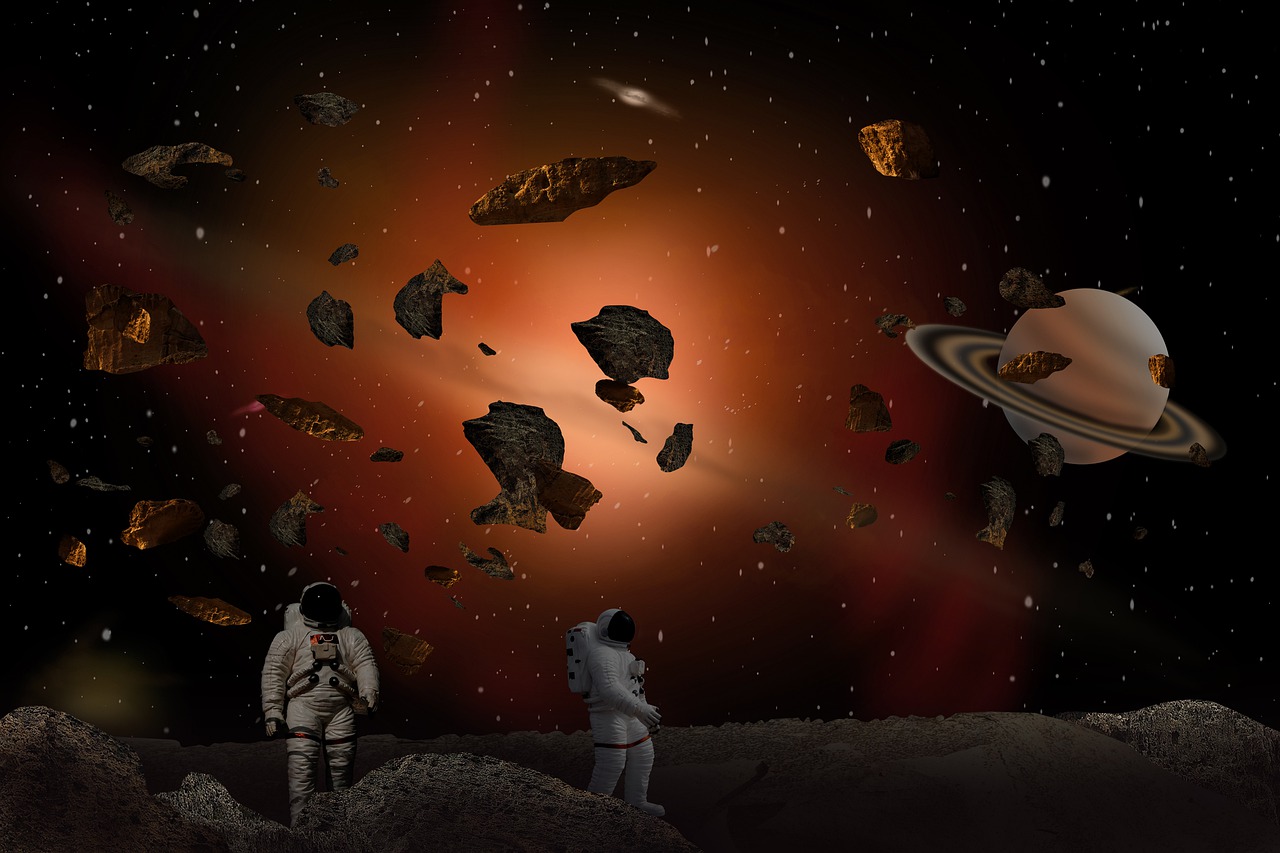 Preparation depends on developmental level. For infants and young toddlers (0–2 years), use large, safe tactile materials (soft foam stars, large felt asteroids) and keep small objects out of reach; focus on sensory exploration rather than fine motor precision. For preschoolers (3–5 years), provide simple measuring tasks (cup, spoon) and demonstrate stirring and combining to practice following directions, counting, and basic fractions language (half, quarter). For early school-age children (5–8 years), offer measuring challenges (double this batch, halve this batch), open-ended aesthetic choices (color mixing, layering), and opportunities to plan and document their process.
Concrete steps: 1) Pre-measure ingredients and label containers for toddlers; 2) Demonstrate and model for preschoolers, then let them take turns; 3) For school-age children, give a brief design brief (create a galaxy with three types of asteroids) and time for group reflection. Use observation notes tied to targeted learning goals to document growth across sessions.
What materials and step-by-step recipe should I use to make a classroom galaxy?
Assemble safe, age-appropriate materials and a clear recipe so children can participate with predictable routines. Below is a classroom-sized, reusable recipe and set-up notes; adapt quantities and items to match your group size, allergies, and supervision levels.
- Materials: large tray or shallow bin, white glue or non-toxic paste, fine-glitter substitute (sequins, punched foil), large foam or felt star shapes, oatmeal or rice as 'space dust', washable tempera or food coloring, measuring cups and spoons, mixing spoons, disposable bowls. Remove small parts for infants and toddlers and label any containers for child use.
- Recipe (basic sensory 'galaxy' dough): 2 cups dry oats or rice, 1/2 cup white glue or non-toxic paste, 1–2 teaspoons water (add only if needed), 2–3 drops washable tempera or food coloring, decorative elements. Combine dry and wet ingredients in a large bowl; stir until a moldable consistency forms. Add color drops and gently fold to create swirls that look like a galaxy.
- Station organization: pre-measure ingredient cups and label them for preschoolers; for older children, create measurement challenges (halve, double, compare volumes) and provide recording sheets for documented attempts.
- Display and finish: press portions into shallow dishes, top with stars and 'asteroids'. If using glue, allow pieces to dry in a supervised area; if using a dry/paste blend, place in sealed containers for sensory exploration.
- Substitutions and safety notes: use large-particle substitutes for glitter, avoid food-based decorative items when allergies are present, and keep small loose parts away from children under three. Post visual rules and maintain direct supervision during mixing and small-item placement.
How can I assess and document children's learning during and after the activity?
Use short, objective measures tied to your lesson objectives so documentation is efficient and instructional. Combine quick observational notes, a brief checklist, and child-generated evidence to make assessment authentic and actionable.
- Start with 1–2 measurable objectives (for example: "Child will use positional words to describe at least three objects in their galaxy" or "Child will measure and pour using a 1/2-cup with teacher support").
- Observation checklist: include prompts for measuring behavior, vocabulary use, turn-taking, and fine-motor control to check during the session; keep it to 4–6 items so it is practical for live use.
- Child evidence: photograph finished work, collect a child’s label or sentence about their galaxy, and save a small sample or a scanned image for the child’s portfolio.
- Reflection and next steps: after the session, write a single-line formative note that names the skill observed, the prompt used, and one targeted follow-up activity (e.g., a measurement challenge or language extension). Use these notes to plan differentiated scaffolds or extension activities.
These documentation techniques keep assessment short and meaningful; they link directly to instructional planning and ensure the activity supports measurable learning outcomes.
What learning goals does this activity support?
This craft supports multiple early learning domains when delivered intentionally: mathematical concepts (measurement, comparative quantities, basic fractions), language and literacy (following multi-step directions, vocabulary like orbit, asteroid, meteor), fine-motor development (pinching, scooping, gluing), social-emotional skills (turn-taking, collaborative planning), and scientific thinking (predicting outcomes, comparing textures). To frame the activity as a lesson, identify 1–2 measurable objectives (for example: "Child will use prepositions to describe locations in their galaxy" or "Child will measure and pour ingredients using a ¼ and ½ cup with teacher support").
For classroom integration guidance, see related ChildCareEd articles on practical STEAM implementation: STEAM Learning in the Early Childhood Education Classroom and How can child care providers use simple STEM activities with early learners?
How should I adapt materials for safety, allergies, and inclusion?
Evaluate materials for choking risk, allergies, and sensory needs. Substitute edible glitter or food-based ingredients with non-toxic, large-particle alternatives for rooms with infants or allergy concerns. For children with sensory sensitivities, offer gloves, small sealed containers to observe materials without direct touch, or parallel stations where a sensory-avoiding child can design a galaxy using stickers and photos. Post clear visual and verbal rules, and maintain adult supervision during mixing and any use of small items.
To strengthen health and safety practice, pair this activity with training such as Creating Safe & Healthy Child Care Environments Buy Now $55.00, which covers hazard identification, supervision ratios, and exclusion criteria relevant when introducing craft materials and small manipulatives.
How can I extend this single activity into a longer STEAM unit?
Extend learning across a week by sequencing inquiry: Day 1 — sensory exploration and vocabulary; Day 2 — measurement and math challenges; Day 3 — art and design (color mixing, patterning); Day 4 — science focus (compare real asteroid images and discuss composition); Day 5 — presentation and documentation (children explain their galaxy to peers). Use emergent curriculum techniques to follow children’s interests: if a child asks about space travel, include books and a mapping activity to connect spatial language to the craft.
For planning emergent, child-driven units, see How can we explore sand, space, and science with young children in preschool settings? and How can child care providers teach hands-on STEAM with everyday materials? — both articles offer extension examples and assessment ideas.
Summary: What should teachers take away from this activity?
Creating a classroom galaxy is more than a one-off craft: when intentionally planned it becomes a cross-domain STEAM lesson that supports measurement, language, social collaboration, fine-motor skills, and scientific curiosity. Use clear learning objectives, adapt materials for safety and inclusion, document children's progress, and connect the activity to short courses and articles for deeper practice. Two ChildCareEd courses—Math Foundations in Early Childhood Buy Now $16.00 and Children at the Wheel: Emergent Curriculum Buy Now $25.00—can help staff translate the craft into measurable learning outcomes, and the Creating Safe & Healthy Child Care Environments Buy Now $55.00 course supports safe implementation.
- 45 Hour Child Growth and Development
- CDA Home Visitor Subject Area 3 Part 3 Birth to 5
- CDA Home Visitor Subject Area 2 Part 3 Birth to 5
- Birth to Five CDA Credential with Portfolio Review
- Art from the Heart for Preschoolers: Open Ended Art Projects that Build Self-Esteem
- Texas Director Credential
- CDA Infants/Toddlers: Brain Development and Gene Expression
- CDA: Stand With Respect and Professionalism
- Every Moment Matters: Schedules and Transitions
- Descuentos en FL de renovación de CDA
- Creating Your Own Galaxies
- Ice Cream and Asteroids!
- DIY Snow Globes: The Fine Motor Craft That’ll Keep Kids (and Adults) Busy for Hours
- CDA Certification en Español: Recursos y Consejos para Educadores Bilingües
- ⏰ Cómo puedo facilitar las transiciones y las rutinas diarias en mi aula?
- ❄️ ¿Qué actividades al aire libre funcionan bien para los niños de Illinois en cada estación? 🌷🍂
- Actividades de Primeros Auxilios Para Niños
- Juegos de Motricidad Gruesa
- ¿Cómo hacer actividades navideñas inclusivas para todas las familias?
- Proceso CDA: Entrenamiento, Portafolio, Examen y Visita de Verificació
- Cómo usar tu certificación de 90 horas en Maryland para completar tu CDA
- ¿Qué Calificaciones Necesitas para Trabajar en Cuidado Infantil?
- ¿Cómo preparar tu bibliografía para la CDA paso a paso?
- ¿Cuáles son las mejores actividades del Día de la Tierra para niños en casa o en el aula?
- ¿Cómo empiezo mi certificación CDA en Florida en línea?
- Cómo Crear Tu Portafolio CDA Paso a Paso
- Diversión fresca de verano: actividades del Día Nacional del Helado para niños
- How Can Classroom Traditions Create a Lasting Sense of Belonging?
- ¿Todos los niños deben participar en el tiempo de círculo?
