July 12th marks Eat Your Jell-O Day — a sensory, seasonal moment that many child care programs use for nutrition conversations, sensory play, and light STEM exploration. For program-level guidance on safe menu choices and managing food in group care, see our Health and Nutrition  Buy Now $24.00 and Food Preparation and Nutrition Buy Now $32.00 courses. This article answers common provider questions: What is the holiday? How can Jell‑O be used for learning? And what safety and allergy steps should programs (including those operating in New York) follow?
What is the history of Jell‑O and when is Eat Your Jell‑O Day?
Trademarked in 1897 by Pearle Wait of Leroy, New York, Jell‑O began as an inexpensive flavored gelatin that households adopted quickly because it was shelf‑stable and easy to prepare. Francis Woodward later acquired the name and recipe and used early mass‑marketing and recipe booklets to normalize Jell‑O as an everyday dessert. Over the 20th century, the brand expanded flavors and commercial forms; educators and parents also discovered Jell‑O's utility outside the kitchen because its predictable setting properties and vivid colors make it useful for classroom experiments and artwork.
Eat Your Jell‑O Day is an informal observance (July 12) that many programs use as a themed learning opportunity rather than a regulated food-service event. Below, we describe practical, regulation-aware ways to make the day intentional learning aligned with health, nutrition, and safety goals.
Is Jell‑O safe for young children? Food safety, allergies, and New York regulations?
Jell‑O's setting agent, gelatin, is made from animal collagen. Gelatin itself is not a common USDA‑listed allergen. The practical risks more often come from added ingredients, mix‑ins, or how the food is handled. Providers should check ingredient lists for possible allergens such as milk, tree nuts, peanuts, or soy. Also assess cross‑contact risks when preparing or decorating Jell‑O and consider each child's developmental readiness; very young infants and children with oral‑motor delays can be at increased choking risk.
Food safety in group care focuses on correct preparation, prompt cooling, safe storage, and clear labeling. Prepared Jell‑O should be chilled quickly and kept at safe temperatures until served. Do not leave perishable flavored or dairy‑based additions at room temperature. For programs operating in New York, follow the New York State Office of Children and Family Services (OCFS) health and safety guidance on food handling, meal permissions, and allergy management — and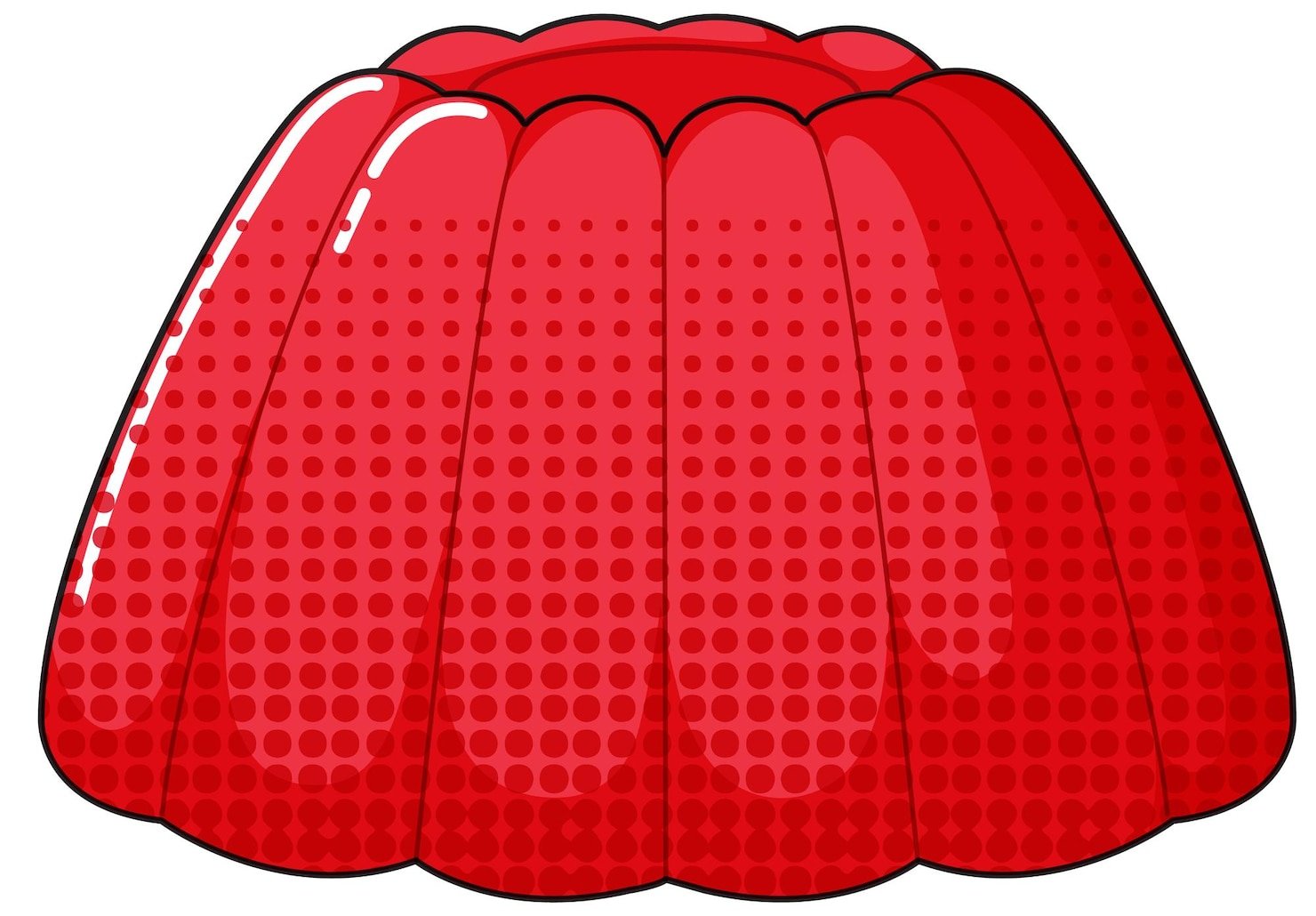 incorporate written parental permissions, posted ingredient lists, and documented allergy plans in each child's file. For Minnesota programs, consult the Minnesota Department of Human Services child care licensing rules for meal and snack practices and allergy requirements.
Operational checklist (brief): 1) Obtain and document parental consent and up‑to‑date allergy information for every child; 2) Keep a printed ingredient list and package labels available to staff and families at the activity; 3) Use single‑serve, clearly labeled containers or station‑based portions when feasible to avoid shared utensils and cross‑contact; 4) Supervise children closely while eating and assign staff to monitor each serving station; 5) Follow state and local guidance and your program's written food policy and record any incidents. These concrete steps reduce risk and help make a themed food activity appropriate for most early childhood settings.
How can child care providers use Jell‑O for STEM, art, and sensory learning?
Jell‑O provides an accessible medium for sensory exploration and hands‑on STEM inquiry. Its properties allow children to observe state changes (liquid to gel), experiment with viscosity and cooling rates, explore color mixing, and use molded Jell‑O to study shape, volume, and patterning. The set mass is excellent for tactile tables and safe, supervised sensory play with an emphasis on hygiene and handwashing before and after handling.
Concrete activity ideas: (1) Color‑mixing experiments — combine primary food colorings in clear cups and record results; (2) Measurement investigations — compare how long different volumes take to set under the same conditions; (3) Light/refraction activity — make magnifying 'lenses' from clear Jell‑O to examine how light bends (adapted from a demonstration: Make a Magnifying Jell‑O Lens); (4) Art molds — press safe objects into set Jell‑O to make temporary prints and discuss textures.
Pair these activities with learning objectives: vocabulary development (set, solid, liquid, dissolve), observation and recording skills, fine motor practice, and simple scientific method steps (predict, test, observe, conclude). For seasonal programming ideas that transfer well to other food‑themed days, see related ChildCareEd articles on summer and themed food celebrations: Sweet National Ice Cream Day Activities Kids Will Love, Creative National Ice Cream Day Ideas for the Classroom, Cool Summer Fun: National Ice Cream Day Activities for Kids, and Learning Through Creative Daycare Activities.
How do I implement a safe, learning-focused Jell‑O activity in my program?
Implementation requires planning that balances enjoyment with program responsibilities. Start with an objectives statement (e.g., sensory exploration, measurement, or nutrition conversation), gather signed parental permissions that include ingredient disclosure, and schedule the activity at a time that avoids infants' meals to reduce cross-contact and confusion. Use pre-portioned servings or station-based experiences to limit cross-contact and to make supervision reliable. If children have known food allergies, provide an alternate, non-food sensory experience so they are included without exposure.
Staff training and policy matter: include the event in daily supervision assignments, post ingredient lists where families can see them, and record any incidents. For additional professional development, the site offers related courses such as Nutrition Essentials for Child Care Providers Buy Now $16.00 and Healthy Starts: Safety, Nutrition, and Wellness in Child Care Buy Now $55.00 that provide operational procedures and templates you can adapt to your program.
Summary — How should I celebrate Eat Your Jell‑O Day in a program setting?
Plan learning objectives, verify permissions and allergy plans, follow safe food‑handling procedures, and use Jell‑O activities to scaffold STEM and sensory goals. When in doubt about state-specific rules, consult your state licensing body (for New York: NY OCFS) and your program's health and safety policies before serving food items in group settings. For more summer-themed ideas that pair well with Jell‑O activities, see: How can Minnesota child care programs keep kids learning and engaged over the summer? and How can you turn summer days into learning moments at your Minnesota program?
Tags: #Jello #STEM #nutrition #allergies #safety
- 45 Hour Child Growth and Development
- 45 Hour Preschool Methods and Materials
- Bienvenido! Welcoming All Families
- 45 Hour Infant and Toddler Methods and Materials
- Pediatric RSV First Aid & CPR/AED
- 45 Hour School Age Methods and Materials
- Play with Purpose: Supporting Children with Autism
- Texas Director Credential
- UNITED STATES OF AMERICA - Nebraska
- UNITED STATES OF AMERICA - Rhode Island
- Accreditations and Affiliations
- National Popcorn Day
- Nuevos Cursos de Cuidado Infantil para Directores, Administradores y Proveedores de Cuidado Infantil en el Hogar
- Father's Day
- Michigan Child Care Providers and the Child and Adult Care Food Program (CACFP)
- Shaping Futures with Early Childhood Education Training
- Understanding Developmental Milestones in Spanish
- Understanding Childcare Licensing in Oklahoma
- ¿Cuáles son las mejores actividades del Día de la Tierra para niños en casa o en el aula?
- Cómo Trabajar en el Cuidado Infantil en Virginia: Requisitos y Pasos
- Celebrando la amistad en el cuidado infantil durante el Día de los Mejores Amigos
- How can Minnesota programs use the new wage scale to build career ladders that keep educators?
- Call-and-Response Attention Getters for Young Children
- How do I write a screen-time policy for my New York child care program?
- DCFS Daycare Violations List: What Illinois Inspection Codes Actually Mean
- Why Are Coping Skills Important for Preschoolers?
- Why Is Upper- versus Lowercase Sorting Great for Letter Recognition?
